
A delivery can go wrong before the vehicle moves. The route may be correct, the driver may be experienced, and the schedule may look realistic, but poor loading can still create damage, delays, and safety problems. Goods transport starts at the loading point, not at the first mile.
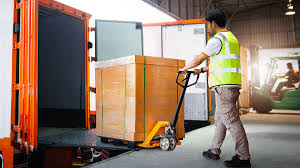
Careful loading matters because goods rarely travel in perfect conditions. Vehicles stop, turn, brake, climb kerbs, reverse into tight spaces, and travel over uneven roads. If items are stacked badly or left unsecured, they can shift during the journey. That movement can damage the goods, affect the vehicle, or create risk when the doors are opened.
The first rule is simple: heavier items should usually sit low and stable. A top-heavy load can move more easily, especially during braking or cornering. Fragile items should not be buried under weight. Sharp edges, loose tools, metal parts, liquids, and boxed goods all need different handling. Treating every item the same is where many loading problems begin.
Drivers and business owners should also think about balance. A load that sits unevenly can affect how the vehicle handles. This is more noticeable with vans, lorries, and vehicles carrying mixed goods. Poor weight distribution can make steering, braking, and turning less predictable. Even if the goods are not damaged, the journey becomes harder to control.
Goods in transit insurance becomes relevant because items can be damaged, lost, or stolen while being moved from one place to another. It is not the same as ordinary vehicle cover. The vehicle and the goods are separate risks, so businesses should understand what is actually protected during transport.
Packaging plays a big role. Weak boxes, loose wrapping, poor labels, and damaged pallets can create problems during loading. A driver should not assume that goods are ready just because they are waiting by the door. If packaging looks unsafe, it should be reported before the trip begins. Once the vehicle leaves, blame becomes harder to manage.
Clear labelling helps too. A box marked fragile should be loaded differently from general stock. Items that must stay upright need visible markings. Goods that need to be delivered first should not be trapped behind everything else. Loading should match the delivery order, especially when the driver has several stops.
Securing the load is just as important as placing it correctly. Straps, bars, cages, nets, and dividers should be used where suitable. Empty space can be a problem because it allows movement. A half-full vehicle can still damage goods if the load slides from one side to the other.
Careful loading also protects the driver. Heavy items should be lifted properly, and help should be used when needed. Rushing can lead to back injuries, crushed fingers, slips, or falls. A late delivery is inconvenient, but an injured driver can stop work for days or weeks.
For small businesses, loading standards can affect customer trust. A customer may not care how busy the warehouse was or how tight the delivery route looked. They see the final result. If goods arrive dented, wet, broken, or incomplete, the business looks careless.
Goods in transit insurance may help with certain losses, depending on the policy, but it should never be used as an excuse for weak handling. Better loading reduces the chance of claims, complaints, and repeat delivery costs.
Drivers should also check the load during longer journeys or after difficult road sections. A quick stop can reveal movement before it becomes serious. This is useful when carrying mixed items, fragile stock, or goods with awkward shapes.
Good loading is a habit. It needs time, space, and attention. Stack sensibly. Secure the load. Follow the drop order. Check packaging. Record visible damage before leaving. These steps make goods transport safer and more organised.
For delivery firms, couriers, trades, and transport businesses, goods in transit insurance is only one part of managing risk. Careful loading does the first part of the job. It helps the goods arrive in the same condition they left.