

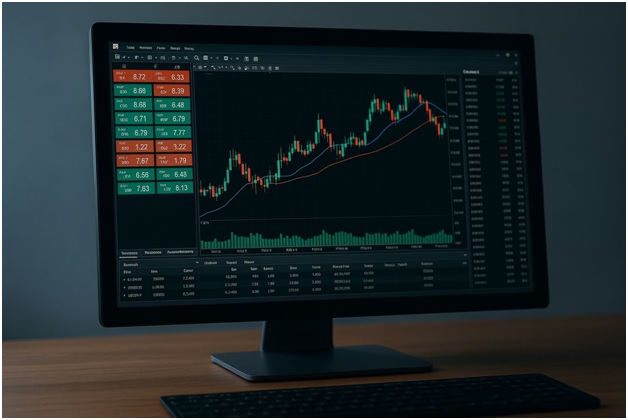
Every experienced trader started with a single decision: to understand the market before risking capital. Yet many beginners jump into trading after watching social media success stories or hearing about quick profits, only to discover that the foreign exchange market demands patience, discipline, and continuous learning. Choosing a reliable FX trading platform is only one part of the journey. Understanding how the market works, how risk is managed, and how informed decisions are made can help build a much stronger foundation for long-term success.
This guide explores the essential concepts every beginner should understand before placing their first trade, helping them approach FX trading with realistic expectations and greater confidence.
Build Your Knowledge Before Opening Your First Position
The foreign exchange market is the world’s largest financial market, where currencies are bought and sold around the clock during the trading week. Prices constantly fluctuate due to economic events, interest rate decisions, geopolitical developments, and market sentiment.
Before trading with real funds, beginners should become familiar with:
- Currency pairs and how they are quoted.
- Bid and ask prices.
- Pips and lot sizes.
- Leverage and margin.
- Market sessions and trading hours.
Understanding these fundamentals reduces confusion and allows traders to interpret market movements more effectively.
Focus on Risk Before Chasing Profits
One of the most common mistakes beginners make is concentrating entirely on potential returns while overlooking possible losses.
Professional traders often view risk management as more important than identifying winning trades. A single poorly managed position can erase gains from several successful ones.
A practical risk management plan typically includes:
- Setting stop-loss orders for every trade.
- Risking only a small percentage of trading capital per position.
- Avoiding excessive leverage.
- Maintaining realistic profit expectations.
- Never trading with money needed for essential expenses.
This disciplined approach helps preserve capital while traders continue developing their skills.
Learn What Actually Moves Currency Prices
Currency values rarely move without reason. Economic and political developments influence market direction every day.
Some of the most significant market drivers include:
Economic Indicators
Reports covering inflation, employment, GDP growth, and consumer confidence often create significant price volatility.
Central Bank Decisions
Interest rate announcements and monetary policy updates from central banks frequently influence currency strength.
Global Events
Political uncertainty, international conflicts, and unexpected economic developments can quickly shift investor sentiment across global markets.
Rather than reacting emotionally to every market movement, successful traders learn to understand the reasons behind price changes.
Develop a Trading Plan Before Entering the Market
Trading without a plan often leads to inconsistent decisions. A structured approach creates consistency and removes much of the emotion from trading.
A beginner’s trading plan should define:
- Entry conditions.
- Exit strategy.
- Acceptable risk per trade.
- Daily trading schedule.
- Maximum daily loss limit.
- Performance review process.
For example, instead of opening trades based on market excitement, a trader may decide to enter only after specific technical indicators confirm a trend. Small rules like these often produce better long-term discipline than relying on instinct alone.
Practice with a Demo Account First
Many new traders underestimate the value of simulation. A demo account allows users to experience live market conditions without financial risk. It provides an opportunity to test strategies, understand order execution, and become comfortable navigating an FX trading platform before investing real capital.
During this practice phase, traders should focus less on making imaginary profits and more on building consistent habits.
Some useful objectives include:
- Learning different order types
- Practicing position sizing
- Testing trading strategies
- Developing emotional discipline
- Reviewing completed trades
The confidence gained from structured practice often translates into better decision-making once live trading begins.
Avoid Common Beginner Mistakes
Many early trading losses stem from avoidable habits rather than poor market analysis.
Some frequent mistakes include:
Trading Too Frequently
More trades do not necessarily produce better results. Quality usually matters more than quantity.
Ignoring Risk Limits
Increasing position sizes after losses often creates larger financial setbacks.
Following Social Media Blindly
Online opinions rarely consider an individual’s financial goals or risk tolerance.
Expecting Instant Success
Consistent trading skills develop over time through education, observation, and practical experience.
Recognizing these pitfalls early can help beginners establish healthier trading habits.
Combine Technical and Fundamental Analysis
Successful trading often involves more than one form of analysis. Technical analysis studies price charts, trends, and indicators to identify potential entry and exit points. Fundamental analysis evaluates economic conditions and financial news that influence currency values.
For instance, a trader may identify an attractive chart pattern while also confirming that upcoming economic announcements support the expected market direction. Combining both perspectives often leads to more informed trading decisions than relying on only one method.
Keep Emotions Under Control
Emotional decision-making is one of the biggest obstacles facing new traders. Fear may encourage traders to close profitable positions too early, while greed may tempt them to hold losing trades in hopes of a reversal.
Experienced traders often rely on routine rather than emotion by:
- Following predefined trading rules
- Recording every completed trade
- Reviewing mistakes objectively
- Taking breaks after significant wins or losses
- Remaining patient during uncertain market conditions
Maintaining emotional discipline becomes increasingly valuable as market experience grows.
Continue Learning as Markets Evolve
Financial markets constantly change. Economic conditions, trading technology, and market behaviour evolve over time, making continuous education essential.
Beginners can strengthen their knowledge by:
- Reading market analysis regularly
- Following economic calendars
- Studying trading psychology
- Reviewing historical market movements
- Evaluating both successful and unsuccessful trades
The goal should not simply be making profitable trades but developing the skills needed to make consistently informed decisions.
Conclusion
Beginning a trading journey involves much more than opening an account and placing orders. Building market knowledge, understanding risk, creating a structured trading plan, and maintaining emotional discipline all contribute to better long-term decision-making. With patience and continuous learning, beginners can gradually develop the confidence and experience needed to navigate the markets responsibly using an FX trading platform.
For traders seeking a reliable environment to begin or enhance their trading journey, Riyadex provides access to advanced trading technology, educational resources, and a user-focused experience. Their platform is designed to support traders at different experience levels while helping them navigate the global currency markets with greater confidence and efficiency.