
Noticing extra hair on your pillow or in the shower can be concerning, especially when it becomes a regular occurrence. Hair thinning has many possible explanations, and genetics is only one part of the picture. Stress, hormonal fluctuations, nutritional deficiencies, certain health conditions, and hair care practices can also affect the hair growth cycle. Rather than treating thinning hair based on assumptions, understanding what is causing it can help guide the next step. Depending on the individual case, PRP hair treatment in Dubai may be considered as part of a personalised hair restoration approach.
Genetics Can Play a Major Role
Family history is one of the most common factors linked to hair thinning. Pattern hair loss can affect both men and women and may develop gradually over many years. In genetically influenced hair loss, certain follicles become increasingly sensitive to hormones called androgens.
Over time, affected follicles may produce finer, shorter hairs. Men may notice a receding hairline or thinning around the crown, while women often experience overall thinning or a widening part. Having a family history does not necessarily mean significant hair loss is unavoidable. However, it can increase the likelihood of developing a similar pattern.
Stress Can Affect the Hair Growth Cycle
Periods of intense physical or emotional stress can sometimes affect normal hair growth. Significant illness, major surgery, rapid weight loss, emotional distress, or prolonged pressure may cause more hairs to enter the resting phase of the growth cycle. This type of shedding may become noticeable several weeks or months after the stressful event, which can make the connection difficult to recognise.
The good news is that stress-related shedding may improve once the underlying trigger is addressed and the normal hair cycle resumes. However, ongoing or unexplained shedding should not automatically be blamed on stress. A professional evaluation can help identify other possible causes.
Hormonal Changes May Trigger Thinning
Hormones have an important role in maintaining the hair growth cycle. Changes associated with pregnancy, childbirth, menopause, thyroid disorders, or certain hormonal conditions can contribute to increased shedding or reduced hair density. Women may particularly notice changes during periods when hormone levels fluctuate.
Post-pregnancy shedding, for example, can occur after delivery as hormone levels return toward their usual state. Hormonal hair loss can sometimes occur alongside other symptoms, such as changes in menstrual cycles, fatigue, weight changes, or skin concerns. When these signs appear together, discussing them with a qualified healthcare professional can be useful.
Nutrition Matters More Than Many People Realise
Hair follicles require adequate nutrients to support normal growth. Restrictive diets or nutritional deficiencies may contribute to increased shedding in some individuals. Low levels of iron, protein, zinc, vitamin D, and other nutrients can be associated with hair problems, although supplementation is not appropriate for everyone.
Taking supplements without identifying a deficiency may not solve the underlying issue. A balanced diet containing adequate protein, vegetables, fruits, whole grains, and healthy fats can support overall health and provide the nutrients required by growing hair.
Medical Conditions Can Also Be Involved
Hair loss is sometimes a visible sign of an underlying health problem. Thyroid disorders, autoimmune conditions, scalp infections, and certain inflammatory disorders can affect hair follicles. Some people may also develop alopecia areata, an autoimmune condition that causes hair loss in distinct patches.
The pattern and speed of hair loss can provide useful clues about its possible cause. This is why sudden, severe, patchy, or persistent hair loss deserves proper attention rather than being treated only with cosmetic products.
Hair Care Habits Can Contribute to Breakage
Not every reduction in hair volume is caused by hair follicles stopping growth. Sometimes the issue is breakage. Frequent heat styling, aggressive brushing, tight hairstyles, chemical treatments, and repeated colouring can weaken the hair shaft. The result may be shorter broken strands and an overall impression of thinner hair.
Gentler hair care can help reduce unnecessary damage. Using suitable products, avoiding excessive heat, and giving the hair breaks from tight hairstyles can make a difference, particularly when breakage is contributing to the problem.
When Professional Treatment May Help
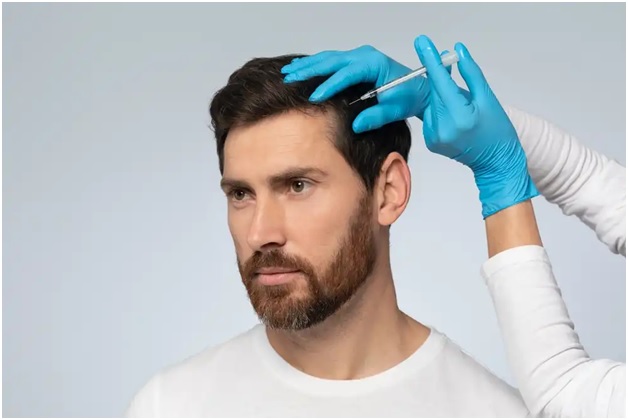
The right approach depends on why the hair is becoming thinner. A treatment that may be useful for one type of hair loss may not be appropriate for another. For certain cases of thinning hair, platelet-rich plasma therapy may be considered. PRP uses a sample of the individual’s own blood, which is processed to concentrate platelets before being introduced into selected areas of the scalp.
The goal is to support the scalp environment and encourage healthier hair growth. PRP is not a guaranteed answer for every person experiencing hair thinning. Suitability, expected results, and the number of sessions can vary depending on the individual’s condition. A consultation with a qualified professional is therefore an important part of deciding whether it is appropriate.
When Should You Seek Help?
It is worth seeking professional advice if hair loss becomes noticeably heavier, develops suddenly, creates visible bald patches, or continues for an extended period. Early evaluation can help distinguish between temporary shedding, pattern hair loss, breakage, and conditions that may require medical attention.
It can also prevent people from spending time and money on treatments that do not address the actual cause. Keeping track of when the shedding started, where it occurs, recent illnesses, major lifestyle changes, medications, diet, and family history can provide useful information during a consultation.
Conclusion
Understanding the causes of hair loss is essential before deciding how to manage thinning hair. Genetics may determine long-term patterns, while stress, hormonal changes, nutrition, medical conditions, and hair care habits can also influence the growth cycle. Because several factors may overlap, a professional assessment is often more useful than relying on guesswork or changing products repeatedly. Treatments such as PRP may be considered for suitable individuals, but the best option depends on the underlying condition. Cutis International provides hair loss assessment and treatment options in Dubai, helping patients explore personalised approaches based on their individual hair and scalp concerns.