
Choosing a school is one of the most significant decisions a family will make. For many Australian parents, Catholic schools offer an appealing balance of academic rigour, strong values and a genuine sense of community.
Whether your family is Catholic, of another faith, or simply searching for an education that nurtures the whole child, understanding what Catholic schooling offers can help you make a confident, informed choice.
This article explores the history of Catholic education in Australia, the values that shape it, the benefits it offers students and what families should consider when weighing up their options.
A Proud History of Catholic Education in Australia
Catholic education has been part of Australia’s story for over two centuries. The first Catholic school in Australia was founded in 1820 by Irish Catholic priest Fr John Therry, and over the following two centuries the Catholic Church became one of the largest providers of schooling in the country.
Early Catholic schools were often small, humble operations run by religious orders of sisters and brothers who travelled to remote and growing communities. Their mission was simple yet powerful: to make education accessible to children who might otherwise go without. Many of the religious orders that founded these early schools, including the Sisters of Saint Joseph co-founded by Saint Mary MacKillop, left a legacy that continues to shape Catholic schooling today.
The sector has grown considerably since then. National figures have shown 1,755 Catholic schools educating more than 777,000 students – roughly one in five Australian students – and employing over 100,000 staff. That scale makes Catholic education a significant pillar of the Australian schooling landscape.
To mark the bicentenary of Catholic education, students and schools around the country took part in a national celebration. You can watch the commemorative song Faith in the Future, performed by Fr Rob Galea and students from Notre Dame College Shepparton, on YouTube.
What Makes Catholic Schools Different?
At first glance, Catholic schools follow the same curriculum frameworks as government and independent schools. Students study English, maths, science, humanities, the arts and more. What sets Catholic schools apart is the lens through which learning happens.
Catholic education is grounded in a belief that every person has inherent dignity and worth. This philosophy influences everything from classroom culture to pastoral care, discipline policies and community service programs. Religious education is part of the curriculum, and students are invited to participate in liturgies, prayer and reflection, while families from all backgrounds are generally welcomed.
Key Benefits of a Catholic Education
Families choose Catholic schools for many reasons. Below are some of the most commonly recognised benefits:
- Values-based learning – Students are encouraged to develop compassion, honesty, respect and a sense of justice. These values are woven through daily school life rather than taught in isolation.
- Strong pastoral care – Catholic schools typically place great emphasis on student wellbeing, with structured programs that support emotional, social and spiritual growth.
- Sense of community – Close relationships between families, staff, parishes and students help create a supportive environment where young people feel known and valued.
- Social justice and service – Many schools organise outreach programs, fundraising initiatives and volunteer opportunities that help students realise their capacity to make a difference.
- Academic quality – Catholic schools are committed to high standards, offering broad subject choices, co-curricular activities and pathways into university, vocational training and employment.
- Affordability – Compared with many independent schools, Catholic school fees are often more accessible, making a values-based education within reach for a wider range of families.
Government Support for Catholic Schools
Catholic schools in Australia receive funding from both the Australian Government and state and territory governments, alongside contributions from parents. This shared funding model helps keep fees manageable while maintaining quality facilities and teaching.
One example of targeted support is the Choice and Affordability Fund from the Australian Government Department of Education. The fund began in 2020 with an estimated $1.2 billion for the non-government sector to 2029, including an estimated $740 million allocated to the Catholic sector over that period. Funding programs like this help schools remain accessible to families across metropolitan, regional and rural Australia.
Single-Sex vs Co-Educational Catholic Schools
Catholic education offers a variety of school structures, including co-educational schools and single-sex schools. Each model has its own strengths, and the best fit depends on the individual student.
The Case for Girls’ Schools
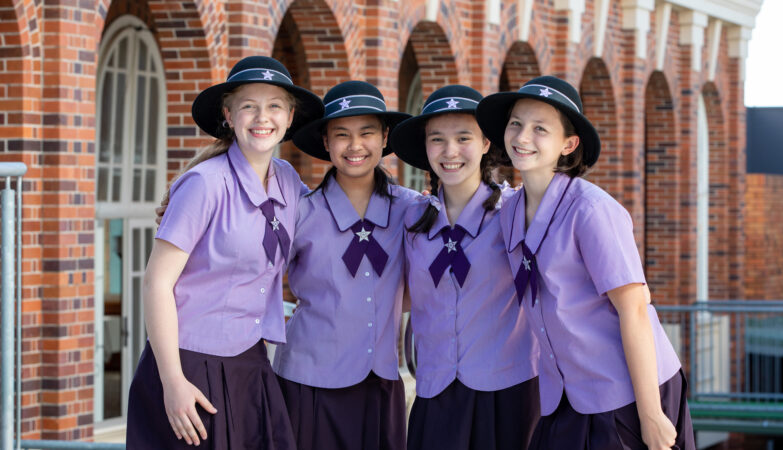
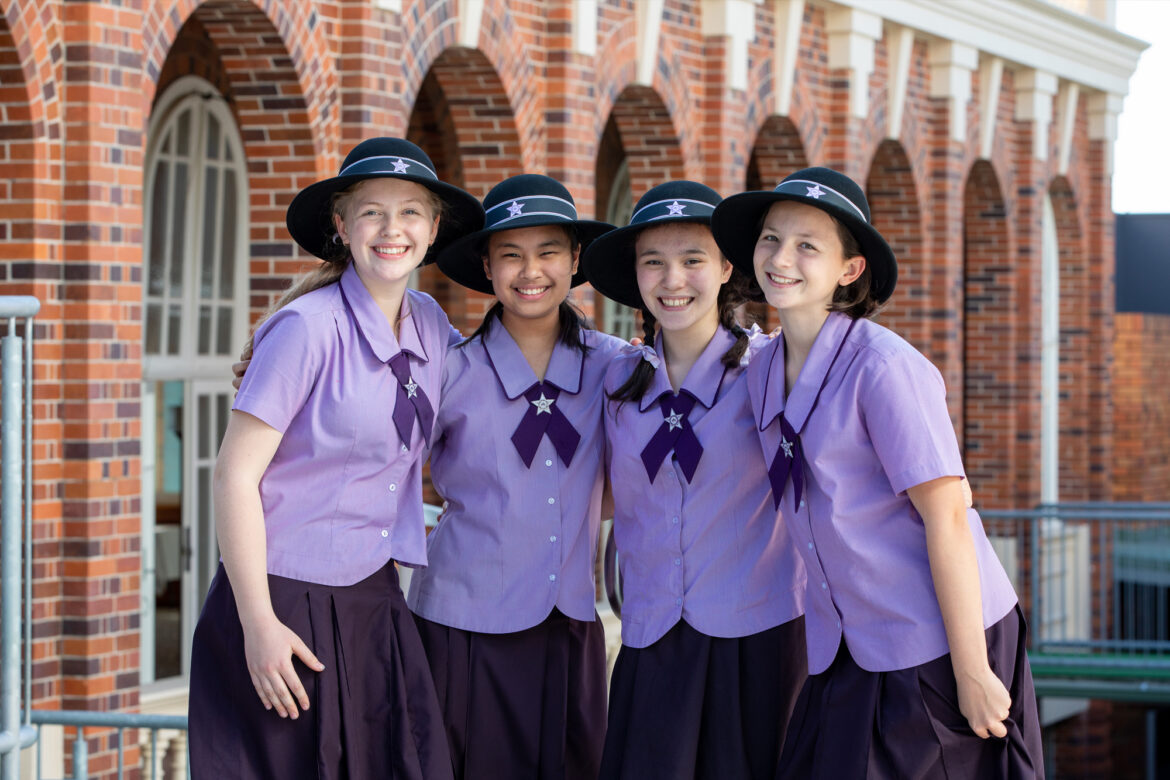
Many parents find that girls’ schools provide an environment where young women feel confident to take on leadership roles, speak up in class and pursue subjects such as science, technology, engineering and mathematics without gender stereotypes holding them back. Families in Queensland exploring this option often begin by researching catholic girls schools brisbane to compare learning programs, boarding options, co-curricular offerings and school culture.
The Case for Co-Educational Schools
Co-educational Catholic schools, on the other hand, reflect the diversity of the wider world and give students daily opportunities to collaborate across differences. For some families, convenience also plays a role, particularly when siblings can attend the same school.
How to Choose the Right Catholic School
Every Catholic school has its own character, shaped by its founding religious order, local community and leadership. When comparing schools, families might consider these practical steps:
- Visit in person – Attend open days or book a tour to get a feel for the school’s atmosphere and the way staff and students interact.
- Ask about pastoral care – Find out how the school supports student wellbeing, manages transitions and responds to individual needs.
- Review the curriculum and co-curricular program – Look at subject offerings, sport, music, debating, outdoor education and leadership opportunities.
- Understand the fees and financial assistance – Ask about fee structures, sibling discounts and any bursaries or scholarships on offer.
- Talk to current families – Other parents can offer honest insights into daily school life and the community’s culture.
Conclusion
Catholic schools have played a vital role in Australian education for more than 200 years, and they continue to thrive by combining academic excellence with a deep commitment to values, service and community. Whether you are drawn to a co-educational setting or a single-sex environment, a Catholic school can offer your child a well-rounded education that prepares them not only for exams, but for life.
By visiting schools, asking thoughtful questions and reflecting on your child’s needs, you can find a Catholic school community where they will feel supported, challenged and inspired to reach their full potential.