

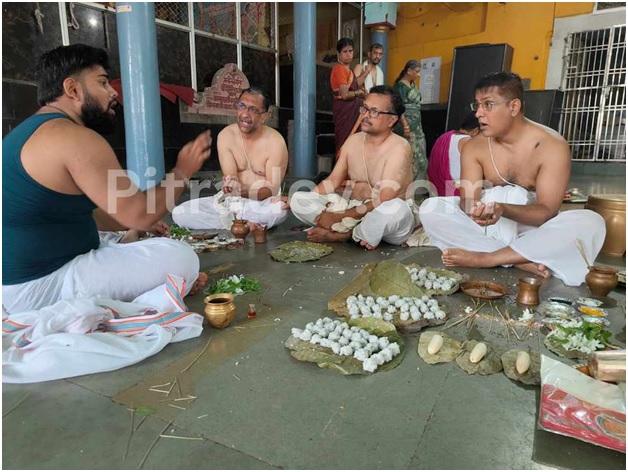
When a family reaches a sacred city for an important Hindu ritual, the experience can feel both meaningful and overwhelming. There may be questions about the right priest, required samagri, ritual procedures, timings, and arrangements at the destination. Choosing to book pandit online can make this process more organised while allowing families to focus on the spiritual purpose of their visit. With the right preparation, traditional ceremonies can take place with greater peace, clarity, and respect for family customs. Families can also understand the ceremony in advance and prepare the necessary items without rushing at the last moment. Proper coordination ensures that the spiritual purpose of the occasion remains the main focus throughout the visit.
Ritual Needs First
Every Hindu ceremony has its own purpose, procedure, and traditional requirements. A family visiting a holy city for a death-related ritual may have very different needs from someone arranging a house puja or a special religious ceremony.
Before making arrangements, it is useful to understand the ritual being performed, the number of family members attending, the preferred date, and any specific traditions followed by the family. This basic information helps ensure that the priest and necessary arrangements are suitable for the occasion. For families travelling to Varanasi, the significance of the city adds another important dimension.
Choosing A Priest
The priest plays an important role in maintaining the proper sequence and traditional character of a religious ceremony. Families may prefer a pandit who understands their regional customs, language, family traditions, or specific ritual requirements.
With online pandit ji booking, families can make arrangements before reaching their destination instead of searching for a priest after arrival. Advance coordination can also help clarify the ceremony details, expected duration, required materials, and location. It is important to provide accurate information when making a booking. Details such as the ritual name, preferred date, number of participants, and location can help the priest prepare appropriately.
Varanasi Ritual Significance
Varanasi holds a distinctive place in Hindu spiritual tradition. Situated on the banks of the Ganga, the city attracts families who come to perform important rites connected with ancestors and departed loved ones.
Among these ceremonies, Asthi Visarjan carries profound emotional and religious importance. The ritual involves immersing the ashes of a deceased family member in sacred water according to traditional practices. For many families, this is not simply a ceremony but a final act of respect and remembrance. The atmosphere of Varanasi can make the experience particularly significant.
Asthi Visarjan Arrangements
A Varanasi Asthi Visarjan package can be useful for families who want several aspects of the ritual coordinated together. Depending on the service, arrangements may include priest assistance, puja requirements, ritual materials, guidance at the ghat, and other supporting facilities.
Families travelling from another city may find such coordination especially helpful. They may already be dealing with emotional responsibilities and travel arrangements, making it difficult to organise every small detail independently. Before selecting a package, families should understand exactly what services are included. They can check the ritual procedure, location, priest arrangements, transportation requirements, samagri, and any additional charges.
Ghat And Priest Coordination
Performing a ritual at a sacred ghat requires practical coordination as well as religious knowledge. Families may need assistance with reaching the correct location, identifying the priest, arranging ritual materials, and following the prescribed sequence.
A coordinated service can reduce confusion, especially for people visiting Varanasi for the first time. Instead of spending valuable time locating different service providers, the family can have key arrangements organised before the ceremony. The priest can also guide family members through each stage of the ritual.
Customs And Family Traditions
Religious ceremonies are not identical for every family. Customs can vary according to region, community, family tradition, and the nature of the ceremony. A ceremony followed by one family may therefore differ from practices followed elsewhere.
This is why families should communicate their expectations clearly before the ritual. If there are particular mantras, offerings, traditions, or procedures that the family wishes to follow, these details can be discussed with the priest in advance. Respect for these differences helps preserve the personal meaning of the ceremony.
Advance Travel Preparation
Travel to Varanasi for an important religious ceremony requires more than simply reaching the city. Families may need to consider accommodation, local transportation, ritual timings, the location of the ghat, and the amount of time required for the ceremony.
Advance preparation can make the journey smoother. Confirming the priest through online pandit ji booking and arranging the ritual before travel can reduce last-minute uncertainty. Families can also keep important documents, ashes, clothing, and other necessary items safely prepared before leaving home. Timing can matter as well. Some rituals follow particular religious considerations, so families should discuss the preferred date and timing with the priest instead of making assumptions based solely on travel convenience.
Peace Through Coordination
The emotional weight of a religious ceremony can make practical complications feel even more difficult. A delayed arrival, missing ritual material, unclear directions, or uncertainty about the priest can add unnecessary stress to an already sensitive occasion.
Organised support helps separate these practical concerns from the spiritual purpose of the ceremony. When families know who will assist them, where they need to go, and what the ritual involves, they can give more attention to prayer and remembrance. This does not mean that technology replaces tradition. Instead, digital arrangements can provide a convenient way to connect families with traditional religious services before they arrive at a sacred destination.
Conclusion
Arranging a religious ceremony does not have to become another source of stress during an emotionally important time. Reliable priest coordination, clear communication, suitable ritual arrangements, and advance preparation can help families complete traditional ceremonies with greater confidence.
For those looking for organised assistance with Hindu rituals and priest services, Pitradev can be considered as one option for arranging such religious requirements with greater convenience and support. Families can also book pandit online when they want to plan priest services in advance and reduce uncertainty around important ceremonies.