

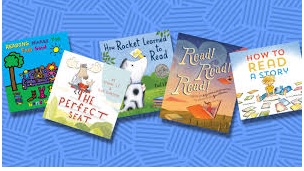
Picture books are a fundamental part of early childhood development, providing children with the cognitive, emotional, and social foundations they need to succeed in school and life.
For parents, understanding the importance of picture books in nurturing young minds is key to fostering a love of learning.
Picture books do more than entertain—they enrich a child’s vocabulary, develop critical thinking skills, and provide a platform for exploring emotions, relationships, and life lessons.
According to the Department of Social Services on www.dss.gov.au, early childhood literacy and language development are integral to a child’s future success, highlighting how the early years are crucial for shaping their intellectual and emotional growth.
Picture books, with their vivid illustrations and rhythmic storytelling, offer the perfect medium for laying these foundations.
In this article, we will explore why picture books are essential for early childhood development, offering parents valuable insights into how to use them to support their child’s growth.
1. Cognitive Development and Language Acquisition
One of the most important benefits of picture books is their role in developing a child’s cognitive and language skills. From an early age, children begin to associate words with meanings, and this early exposure to language fosters cognitive growth that benefits later learning experiences.
a) Vocabulary Building
Picture books introduce children to a wide array of words, from everyday objects to more complex concepts. The combination of text and visuals helps children connect words to their meanings, expanding their vocabulary. The more a child is exposed to language, the more likely they are to develop a rich and diverse vocabulary, which can have a profound impact on their ability to communicate effectively.
For example, a picture book like Goodnight Moon by Margaret Wise Brown is simple in its language but introduces many descriptive words. Parents can engage children by pointing to objects in the illustrations and naming them aloud, reinforcing new words and ideas. This process, called “shared reading,” is crucial for developing linguistic skills, as it encourages children to actively engage with both the text and the visuals.
b) Understanding Language Structure
Reading picture books also helps children understand the structure of language, including concepts like sequencing, grammar, and narrative flow. Picture book often follow simple story arcs, which introduce children to the beginning, middle, and end of a story. This basic understanding of structure helps children make sense of more complex narratives as they grow older.
The repetition often found in picture books—whether it’s the recurring phrase in Brown Bear, Brown Bear, What Do You See? by Bill Martin Jr. or the patterns in The Very Hungry Caterpillar by Eric Carle—reinforces language skills and helps children predict what will happen next, enhancing their comprehension abilities.
2. Emotional and Social Development
Picture books are also essential for fostering emotional and social development. By reading stories with children, parents help them navigate a range of emotions, from joy and excitement to fear and sadness. These books provide a safe space for children to explore their own feelings and the feelings of others.
a) Understanding and Identifying Emotions
Many picture books address emotions in ways that young children can relate to, helping them identify and label their feelings. For example, in The Color Monster by Anna Llenas, a colorful monster learns to sort out his feelings of happiness, sadness, and anger. By reading such stories, children begin to understand that emotions are natural, and they learn how to express themselves in a healthy way.
Parents can support this process by asking questions such as, “How do you think the character feels?” or “Have you ever felt like that?” This type of conversation helps children connect the emotions in the story to their own experiences, promoting emotional intelligence and empathy.
b) Fostering Empathy and Social Skills
In addition to understanding emotions, picture books often highlight themes of friendship, kindness, and cooperation. Characters in these stories may face challenges that require them to share, collaborate, or help one another. These situations provide valuable opportunities for children to learn about the importance of empathy, teamwork, and social responsibility.
Books like The Lion and the Mouse by Jerry Pinkney demonstrate the value of kindness and helping others. When children read about characters who go out of their way to support one another, they begin to internalize these behaviors, which are key in developing strong social skills.
3. Promoting Creativity and Imagination
One of the most magical aspects of picture books is their ability to spark a child’s imagination. The colorful illustrations and imaginative plots transport children to fantastical worlds where animals talk, objects come to life, and adventures unfold in unexpected ways. This imaginative play is not just entertaining; it is crucial for cognitive development.
a) Stimulating Creative Thinking
Through the imaginative worlds of picture books, children are encouraged to think beyond their immediate surroundings and develop their creative problem-solving skills. The whimsical scenarios, such as a boy flying to the moon in The Way Back Home by Oliver Jeffers or the transformation of a caterpillar into a butterfly in The Very Hungry Caterpillar, stimulate a child’s ability to think creatively and explore new ideas.
Parents can foster creativity by asking open-ended questions, like “What would you do if you could fly like the bird in the story?” or “What other adventures do you think the characters might have?” These questions encourage children to create their own stories and ideas, expanding their imaginative capacities.
b) Inspiring Future Interests
Picture books also expose children to a wide range of topics, from science and nature to history and mythology. This exposure can ignite a child’s interest in particular subjects, whether it’s the natural world, space exploration, or animals. Books like The Snowy Day by Ezra Jack Keats can inspire children to explore the outdoors, while books like Ada Twist, Scientist by Andrea Beaty might spark an interest in science and inquiry.
The diversity of topics covered in picture books provides a well-rounded foundation for children’s future learning. As children encounter new ideas and concepts, they start to develop their own unique interests and curiosities, which can lay the groundwork for lifelong learning.
4. Building a Strong Parent-Child Bond
Reading picture books together is an excellent way for parents to bond with their children. It’s a shared activity that fosters closeness and creates lasting memories. This time together also helps children feel secure, as they associate reading with comfort and attention from their caregivers.
a) Establishing a Reading Routine
Incorporating picture books into a daily routine, such as reading before bedtime, can provide children with a sense of stability. Routines are comforting and help children develop a habit of reading that can last a lifetime. According to the Department of Social Services (www.dss.gov.au), children who develop a reading habit at an early age are more likely to develop strong literacy skills and perform better academically in the long term.
b) Encouraging Positive Communication
Reading together also opens up avenues for communication. Parents can encourage children to express their thoughts and feelings about the book, ask questions, and talk about the pictures. This dialogue not only strengthens language skills but also deepens the parent-child relationship. It teaches children how to articulate their thoughts and encourages them to think critically about what they are reading.
Picture books are not just a source of entertainment—they are essential tools for early childhood development.
From expanding vocabulary and developing language skills to fostering empathy and creativity, picture books support every aspect of a child’s cognitive, emotional, and social growth.
By regularly reading with children, parents can create a positive learning environment that promotes intellectual curiosity, emotional intelligence, and strong social skills.
Incorporating picture books into daily routines is one of the most effective ways parents can support their child’s development and instill a love of reading that lasts a lifetime.
Through stories and illustrations, children are given the opportunity to explore new worlds, understand complex emotions, and imagine endless possibilities—skills that will serve them well throughout their lives.