
In industrial maintenance and assembly, achieving precision and efficiency is critical for equipment reliability and operational productivity. One tool that has revolutionized this process is the pneumatic torque multiplier. Designed to amplify torque output while reducing manual effort, it ensures accurate tightening of bolts and fasteners in demanding industrial applications.
Optimizing the use of these torque multipliers involves more than just operating the tool; it requires understanding its mechanics, selecting the correct model, following proper techniques, and integrating it into routine workflows. By focusing on these aspects, maintenance teams can save time, reduce errors, and ensure equipment longevity.
Understanding Pneumatic Torque Multipliers and Their Function
A torque multiplier is a specialized tool that uses compressed air and precision gearing to multiply the operator-applied torque. This allows technicians to apply high torque values with minimal physical strain, making it ideal for industrial machinery, heavy equipment, and structural assemblies.
Key operational benefits include:
- High Accuracy: Achieves precise torque values, crucial for maintaining joint integrity and preventing mechanical failures.
- Operator Safety: Reduces fatigue and risk of repetitive strain injuries by minimizing manual effort.
- Time Efficiency: Completes bolting tasks faster than conventional wrenches, enhancing workflow productivity.
Key Factors to Maximize Efficiency
Maximizing the efficiency of pneumatic torque multipliers requires attention to operational and environmental factors.
- Torque Range Compatibility: Ensure the tool’s torque capacity matches the bolt specifications to prevent under- or over-tightening.
- Air Supply Quality: Stable, clean, and regulated air pressure is essential for consistent performance.
- Reaction Arm Support: Proper positioning of the reaction arm prevents tool slippage and operator strain.
- Correct Socket Selection: Using appropriately sized sockets or adapters maintains torque accuracy and protects fasteners.
- Operator Training: Skilled operators can optimize tool performance while adhering to safety standards.
Focusing on these factors ensures torque multipliers deliver consistent, reliable results while maximizing speed and reducing the risk of mechanical errors.
Practical Tips for Optimal Use
Integrating best practices into daily workflows enhances efficiency and prolongs tool life.
- Regular Calibration and Verification: Periodically check torque accuracy to maintain precision.
- Use Compatible Accessories: Correct sockets, adapters, and reaction arms enhance performance and prevent damage.
- Document Torque Applications: Maintain records of torque values applied for compliance and trend analysis.
- Routine Maintenance: Clean, lubricate, and inspect the tool regularly to prevent wear and ensure consistent performance.
- Operator Training Programs: Continuous skill development ensures personnel are proficient in safety and efficiency techniques.
Applying these strategies ensures that the torque multipliers consistently deliver reliable torque, reduce operational downtime, and enhance overall industrial productivity.
Conclusion:
Pneumatic torque multipliers are indispensable for modern industrial operations, offering unmatched precision, speed, and safety. By understanding their function, leveraging their advantages, considering key operational factors, avoiding common mistakes, and implementing practical usage tips, maintenance and assembly teams can maximize efficiency and ensure equipment reliability.
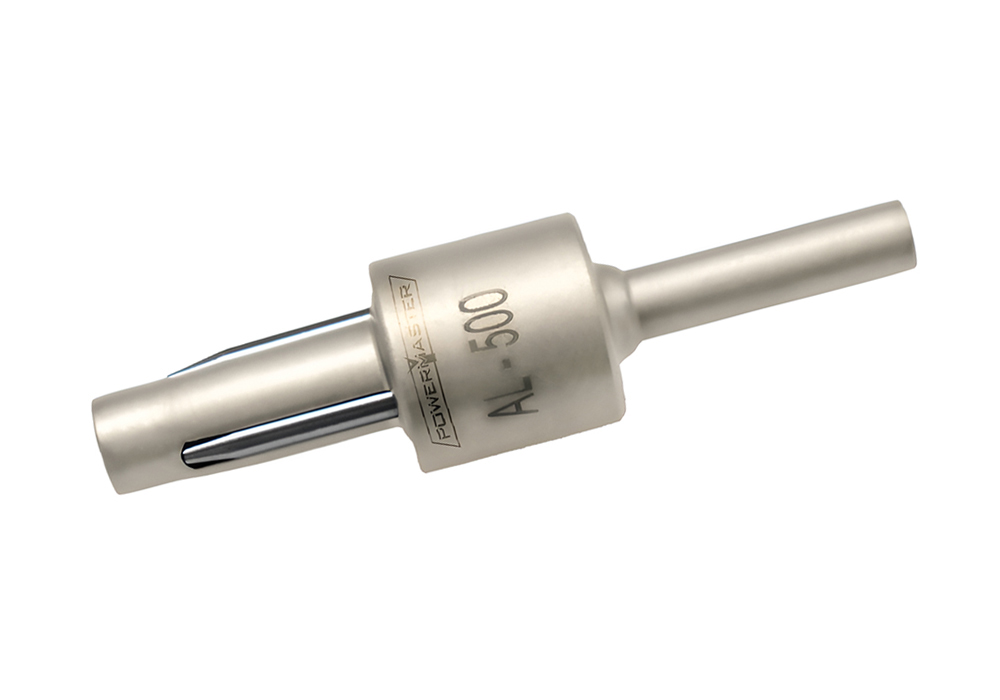
For professionals seeking high-quality, durable, and reliable pneumatic torque multipliers, Powermaster offers advanced equipment designed to optimize performance, enhance operational productivity, and ensure maintenance tasks are completed safely and efficiently. They also provide heat exchanger maintenance tools to support precise, reliable industrial maintenance operations. Explore Powermaster’s range today and elevate your maintenance efficiency with tools trusted by industry professionals.