
Across Himalayan communities, spiritual traditions are woven into daily life through sound, symbols, and handmade cultural objects. These practices are not reserved only for ceremonies or special occasions. Instead, they exist naturally within homes, temples, and personal routines, creating a sense of continuity between tradition and everyday living.
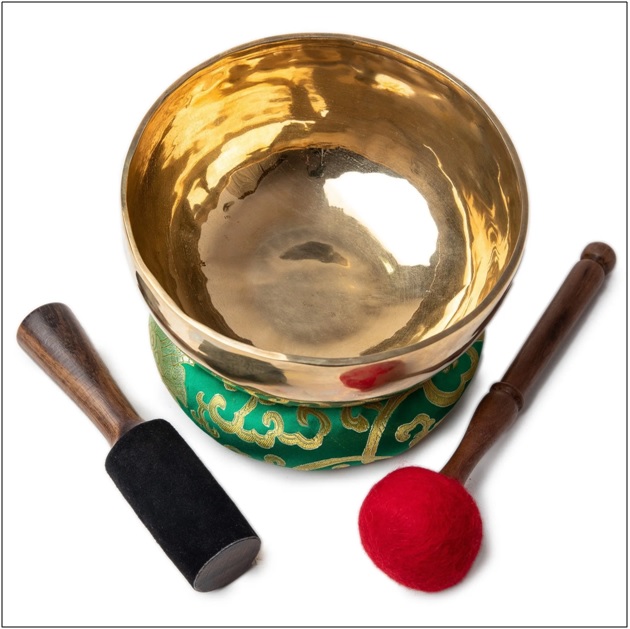
Among the most recognized cultural objects are handmade Tibetan singing bowls, valued for their calming resonance and deep connection to mindfulness practices. Their presence reflects how sound has long been used as a way to encourage focus, reflection, and emotional grounding.
These traditions continue to attract global attention because they offer simplicity in a world that often feels overly complex and fast-moving.
The Cultural Meaning Behind Sacred Sound
In Himalayan traditions, sound is not treated merely as something to hear. It is considered an experience that influences awareness and emotional state. Instruments used in spiritual practices are designed with intention, where every tone carries symbolic and meditative value.
Singing bowls are especially important because their vibrations encourage stillness and attention. The sound expands slowly and gradually fades, creating a natural rhythm that helps quiet mental distractions.
This relationship between resonance and silence is one reason why these practices continue to feel relevant in modern wellness and mindfulness spaces.
Handmade Traditions Rooted in Patience and Skill
The process of creating Himalayan spiritual objects is deeply connected to craftsmanship. Artisans spend years refining techniques that are often passed through generations within families and local communities.
Each item reflects a balance between precision and individuality. Rather than producing identical pieces, artisans allow subtle variations to remain visible, preserving the human aspect of the work.
This approach creates objects that feel personal and culturally meaningful rather than commercially manufactured. It also ensures that the traditions behind these crafts remain alive and connected to their origins.
The Symbolic Role of Sacred Decorative Elements
Alongside sound-based tools, visual symbols also hold strong importance within Himalayan traditions. Prayer flags, for example, are widely recognized for their spiritual and cultural significance. Their colors, printed symbols, and placement are believed to represent harmony, compassion, and positive intention.
Today, many people exploring Himalayan culture seek prayer flags for sale not only for decorative purposes but also for the meaning they represent. They are often placed in homes, meditation spaces, or outdoor environments as reminders of peace and mindfulness.
What makes these symbols enduring is their ability to communicate cultural values through simple visual forms.
The Relationship Between Craft and Mindfulness
Handcrafted spiritual objects often encourage a slower and more intentional way of engaging with daily life. Unlike digital experiences that constantly demand attention, these items invite pause and reflection.
The act of listening to a singing bowl or observing symbolic objects creates moments of awareness that feel grounded and calm. This simplicity is part of what makes Himalayan traditions so accessible across different cultures and lifestyles.
Rather than requiring strict routines or formal practices, they offer gentle ways to reconnect with presence and emotional balance.
The Evolution of Traditional Practices in Modern Spaces
While rooted in ancient culture, Himalayan spiritual traditions continue to adapt naturally to modern environments. Singing bowls are now commonly found in meditation studios, yoga spaces, and personal wellness routines around the world.
At the same time, handmade cultural objects are increasingly appreciated for their authenticity and connection to human craftsmanship. People are drawn toward items that feel meaningful rather than purely decorative or functional. This shift reflects a growing desire for experiences and objects that encourage mindfulness in everyday life.
The Enduring Appeal of Resonant Sound
One reason singing bowls remain so widely appreciated is the simplicity of their effect. A single resonant tone can influence the atmosphere of a space almost immediately. The sound encourages the listener to slow down and focus on the present moment without needing instruction or explanation.
A traditional Tibetan singing bowl is especially valued because of the cultural knowledge and handcrafted process behind its creation. Each bowl carries slight tonal differences shaped by the artisan’s methods and materials, making every piece unique.
This uniqueness adds emotional depth to the experience, turning the object into more than just a meditation tool.
Generational Knowledge Preserved Through Craft
The survival of Himalayan craftsmanship depends largely on the transfer of knowledge between generations. Younger artisans often learn through observation and practice rather than formal instruction, creating a close relationship between craft and community life.
This process preserves not only techniques but also the cultural values connected to them. Skills are treated as living traditions rather than commercial methods, ensuring that meaning remains central to the craft itself.
As these traditions continue to evolve, they maintain their authenticity through this strong connection to cultural heritage.
A Modern Appreciation for Meaningful Objects
In today’s fast-paced world, people are increasingly seeking objects that feel personal and intentional. Handmade spiritual items offer a contrast to mass-produced products by carrying visible traces of time, care, and craftsmanship.
This emotional connection often becomes part of why individuals value these traditions so deeply. The object itself may be simple, but the meaning attached to it creates lasting significance.
Whether through sound, symbolism, or handmade detail, Himalayan traditions continue to offer experiences that feel grounded and authentic.
Conclusion
The enduring presence of Himalayan spiritual traditions comes from their ability to remain meaningful across generations and cultures. They remind people that calmness, awareness, and connection can often emerge from the simplest experiences. Handcrafted objects and resonant sound continue to bridge ancient practices with modern mindful living, offering a quiet alternative to constant noise and distraction. Their value lies not only in appearance or function but in the sense of presence they encourage.
This lasting appreciation is especially reflected in the growing interest surrounding traditional Tibetan singing bowl craftsmanship and its connection to mindful living practices.
For those interested in exploring authentic Himalayan traditions and thoughtfully curated cultural craftsmanship, Himalayan Bazaar continues to offer collections that reflect the depth, artistry, and enduring spirit of these timeless practices.