
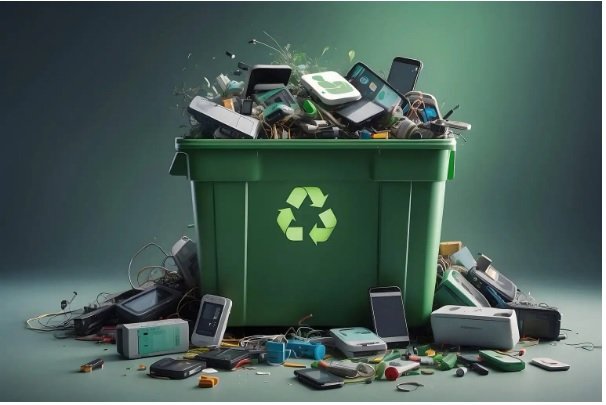
Electronic devices have become essential to daily life, supporting communication, education, business operations, healthcare, and entertainment. As technology changes, computers, printers, servers, phones, and other equipment eventually become outdated or stop working. A planned approach to E Waste Recycling helps households and organisations reduce unnecessary disposal, protect resources, and support a cleaner city.
Why Electronic Waste Needs Attention
Electronic waste, often called e-waste, includes discarded electrical and electronic equipment and its parts. Even a small device may contain a mixture of plastics, glass, metals, circuit boards, and batteries. Some materials can be reused or recovered, while others require controlled handling.
Throwing electronic items into ordinary rubbish can create several problems. Devices may break during collection or at disposal sites, releasing substances into soil or water. Batteries can also present fire risks when damaged, crushed, or mixed with unsuitable waste. In addition, discarding equipment without considering recovery means that useful materials are lost and more new resources may need to be extracted.
Common Items That Can Be Recycled
Many everyday and business devices may be suitable for specialist collection and processing. Examples include:
- Desktop computers, laptops, monitors, and computer accessories.
- Servers, networking equipment, routers, and data storage devices.
- Printers, scanners, photocopiers, and other office machines.
- Mobile phones, tablets, chargers, and electronic accessories.
- Circuit boards, cables, power supplies, and selected components.
- Certain household appliances and electronic control units.
Not every item follows the same recycling route. Equipment may need to be assessed according to its condition, materials, battery type, and data storage features. A specialist service can explain which items it accepts and whether any preparation is required before collection.
How the Recycling Process Works
A responsible recycling process usually involves several stages. First, discarded equipment is collected from an agreed location or delivered to a suitable facility. Items are then sorted by type and condition. Equipment that can be repaired or reused may be separated from items that need material recovery. After sorting, trained workers dismantle or process equipment using methods suited to its components. Metals, plastics, glass, and other recoverable materials can be separated for further treatment.
Components that cannot be recovered safely must be managed through appropriate disposal channels. Good handling practices matter throughout these stages. Workers should use suitable protective equipment and follow procedures for batteries, screens, circuit boards, and other components. Responsible operators also maintain records and use authorised downstream partners where required.
Benefits for Businesses and the Environment
Recycling electronic equipment can offer practical benefits beyond clearing storage space. It helps conserve materials by directing recoverable resources back into productive use. It can also reduce the volume of waste sent to landfill and support more careful management of potentially hazardous components.
Other possible advantages include:
- Better use of storage space and workplace facilities.
- A clearer process for handling obsolete equipment.
- Improved awareness of environmental responsibilities among staff.
- Opportunities to recover value from suitable reusable or recyclable items.
- More organised asset management during technology upgrades.
Managing IT Equipment and Sensitive Data
Computers, servers, storage drives, and office devices may contain confidential business or personal information. Before equipment leaves a workplace, organisations should identify devices that store data and establish a secure process for handling them. Simply deleting files or formatting a drive may not provide the level of protection required for sensitive information.
A suitable data management procedure may include identifying storage media, recording serial numbers, restricting access during collection, and arranging verified data destruction or sanitisation where appropriate. Businesses should confirm what service is offered and request documentation that matches their internal security requirements. Devices that cannot be accessed or switched on may need a different handling method.
Choosing a Suitable Recycling Partner in Dubai
When comparing providers, organisations should look beyond collection convenience. A reliable partner should be able to explain its accepted equipment categories, collection arrangements, processing methods, and approach to data-bearing devices.
For organisations reviewing E Waste Recycling options, useful questions include:
- Which types and quantities of electronic equipment are accepted?
- Is collection available from offices, warehouses, or other business locations?
- How are batteries and potentially hazardous components handled?
- Can the provider arrange secure data destruction for storage devices?
- What certificates, receipts, or reports are supplied after collection?
- Are there additional charges for transport, sorting, or special handling?
Clear answers make it easier to compare services and understand what happens after equipment is handed over. Businesses should also check current local requirements and ensure their chosen arrangements meet applicable rules.
Practical Steps for Offices
A workplace plan can make electronic waste management more consistent. Start by creating an inventory of unused or obsolete devices. Separate equipment that may still be useful from items that are broken or no longer supported. Keep batteries and damaged devices in suitable, secure storage, away from heat and general rubbish.
Next, appoint a staff member or department to coordinate collections. Set a regular review date so equipment does not accumulate indefinitely. Before collection, remove accessories only when instructed, label devices where necessary, and complete any required data security checks. Staff should know where to place unwanted equipment and whom to contact when a device reaches the end of its working life.
Supporting Responsible Technology Use
Recycling is one part of a broader approach to responsible technology management. Organisations can also extend the useful life of suitable devices through maintenance, repair, upgrades, and reuse. Purchasing durable equipment and planning replacement cycles can help reduce unnecessary waste. When devices can no longer serve their original purpose, responsible recovery offers a better option than placing them in ordinary bins.
As Dubai continues to develop as a centre for business and technology, effective IT E Waste Recycling in Dubai can help organisations manage obsolete equipment in a more structured way. Businesses can support this effort by educating employees, choosing appropriate service providers, and keeping clear records of equipment transfers.
Conclusion
Electronic waste management works best when it is treated as a regular responsibility rather than a last-minute task. Identifying unwanted equipment, protecting information, arranging suitable collection, and confirming its handling can help reduce environmental risks while supporting material recovery. The right process will depend on the equipment involved, so asking questions before collection is always worthwhile.
IT E Waste Recycling in Dubai supports better handling. This encourages consistent environmental decisions across the organisation. IT Scrap Buyer can help businesses and individuals explore suitable options for unwanted electronic and IT equipment in Dubai.