
In a marketplace filled with mass-produced merchandise, handmade products offer something distinctive: individuality, craftsmanship, and a connection to traditional skills. This difference is particularly noticeable in felt accessories, where material selection, shaping techniques, and finishing details influence the final product. Working with a reliable Nepalese felt products supplier can help retailers discover handcrafted collections that combine traditional artistry with contemporary designs.
Although factory-produced alternatives offer consistency and large-scale availability, artisan-made felt accessories appeal to customers who appreciate creativity, character, and thoughtful production.
Individual Craftsmanship Creates Distinctive Products
One of the most noticeable differences between artisan-made and factory-produced felt accessories is the level of individual craftsmanship involved. Handmade products are shaped through techniques that require patience, experience, and attention to detail. Artisans work with wool to create different shapes, textures, and decorative elements, transforming simple materials into attractive accessories.
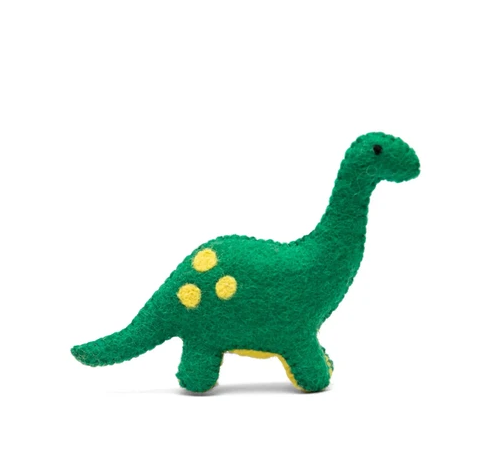
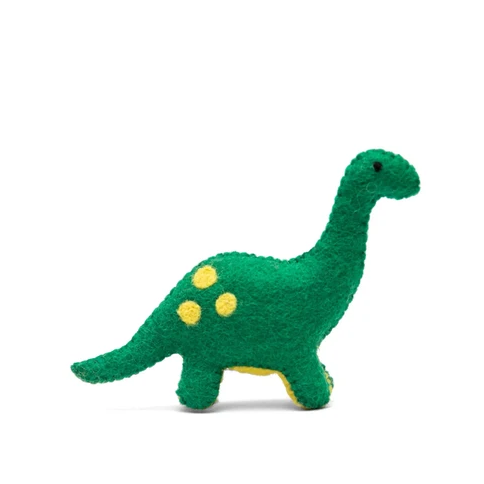
Unlike highly automated production, handmade processes allow room for creative interpretation. Small variations in shape, colour placement, and finishing can give individual pieces their own character. These details make felt flowers, decorative ornaments, animal figures, and colourful accessories particularly appealing to customers looking for something different.
Factory-produced products generally follow standardised patterns to maintain uniformity across large quantities. While this approach is useful for businesses requiring consistent merchandise, artisan-made alternatives offer a more personal appearance. Retailers can use this distinction to introduce products that feel distinctive rather than identical to commonly available accessories.
Material Selection Influences Quality and Durability
The materials used in felt production play an important role in determining the appearance, texture, and longevity of the finished accessory. Natural wool is widely valued for its softness, flexibility, and ability to hold its shape when properly felted. Its fibres can be worked into different forms, making it suitable for decorative products, household accessories, toys, and fashion-related items.
Artisan production often involves careful handling of wool throughout the felting process. The density, texture, and finishing of each item can be adjusted according to its intended purpose. For example, felt coasters require a different structure from decorative flowers or miniature animal figures.
Factory production can also deliver reliable quality when manufacturers use appropriate materials and established quality-control procedures. Therefore, the distinction is not simply between handmade and machine-produced goods. Buyers should examine the wool quality, construction, colour consistency, and finishing standards before making purchasing decisions.
Creative Designs Offer Greater Product Variety
Design flexibility is another reason handmade felt accessories attract attention. Artisans can experiment with colours, shapes, patterns, and decorative combinations to develop products that suit different customer preferences.
From miniature felt animals and colourful keychains to decorative garlands, flowers, and coasters, these accessories can serve several purposes. Some complement home interiors, while others work well as souvenirs, seasonal decorations, or thoughtful gifts. Their versatility makes them suitable for boutiques, lifestyle stores, gift shops, and online retail collections.
Mass-produced alternatives often prioritise designs that can be manufactured repeatedly and efficiently. This can make product ranges more predictable, although it may limit the availability of unusual designs.
For retailers, combining distinctive handmade accessories with familiar everyday products can create a more interesting merchandise selection. It also provides opportunities to introduce seasonal collections, themed displays, and creative gifting options without depending entirely on conventional products.
Artisan Production Supports Traditional Skills and Communities
Handcrafted products represent more than their practical or decorative functions. They also reflect the knowledge, creativity, and experience of the people who make them. In Nepal, traditional handicraft production remains an important part of the country’s creative identity, with artisans developing products that connect established techniques with changing market preferences.
Felt-making provides opportunities to transform wool into useful and decorative objects through specialised skills. The process involves working with fibres, applying appropriate felting techniques, and carefully shaping the material into the desired form. These activities require practical knowledge that develops through experience.
Choosing responsibly sourced handmade products can also help businesses support artisan communities and preserve traditional production skills. However, buyers should look beyond marketing descriptions and consider whether Felt gift items bulk supplier provides meaningful information about their manufacturing practices and sourcing standards.
For retailers, this connection to craftsmanship can add another dimension to product storytelling. Customers may find greater interest in an accessory when they understand the techniques, materials, and creative effort behind its production.
How Online Shopping Makes Nepalese Handicrafts More Accessible
Digital commerce has made it easier for international buyers to explore products from different regions without relying exclusively on local distributors or physical trade exhibitions. Businesses and individual customers can now browse collections, compare product categories, and communicate with suppliers through online platforms.
Those looking to buy Nepali products online can explore a wide variety of traditional and contemporary handicrafts, including woollen accessories, felt decorations, handmade toys, and home décor products.
However, online purchasing requires careful evaluation. Buyers should examine product photographs, descriptions, material specifications, available quantities, and shipping information. Wholesale customers should also communicate directly with suppliers to understand order requirements, customisation options, and quality expectations.
An established online collection can make product discovery more convenient, particularly for retailers interested in exploring several categories before selecting merchandise. Clear communication and transparent purchasing arrangements remain essential for building successful supplier relationships.
Conclusion
The difference between artisan-made and factory-produced felt accessories extends beyond appearance. It involves production techniques, material selection, creative flexibility, finishing standards, and the value customers associate with handcrafted merchandise. Choosing a reliable Nepalese felt products supplier can help retailers access distinctive handcrafted collections that reflect traditional artistry and quality. While factory production offers advantages in scalability and uniformity, artisan-made products bring individuality and creative character to retail collections.
Best Himalaya offers a diverse collection of handcrafted felt products, including felt animals, flowers, balls, coasters, garlands, and decorative accessories. With factory-direct wholesale sourcing, international shipping, and options for business buyers, the company provides opportunities for retailers and distributors to explore Nepalese craftsmanship for their product collections.