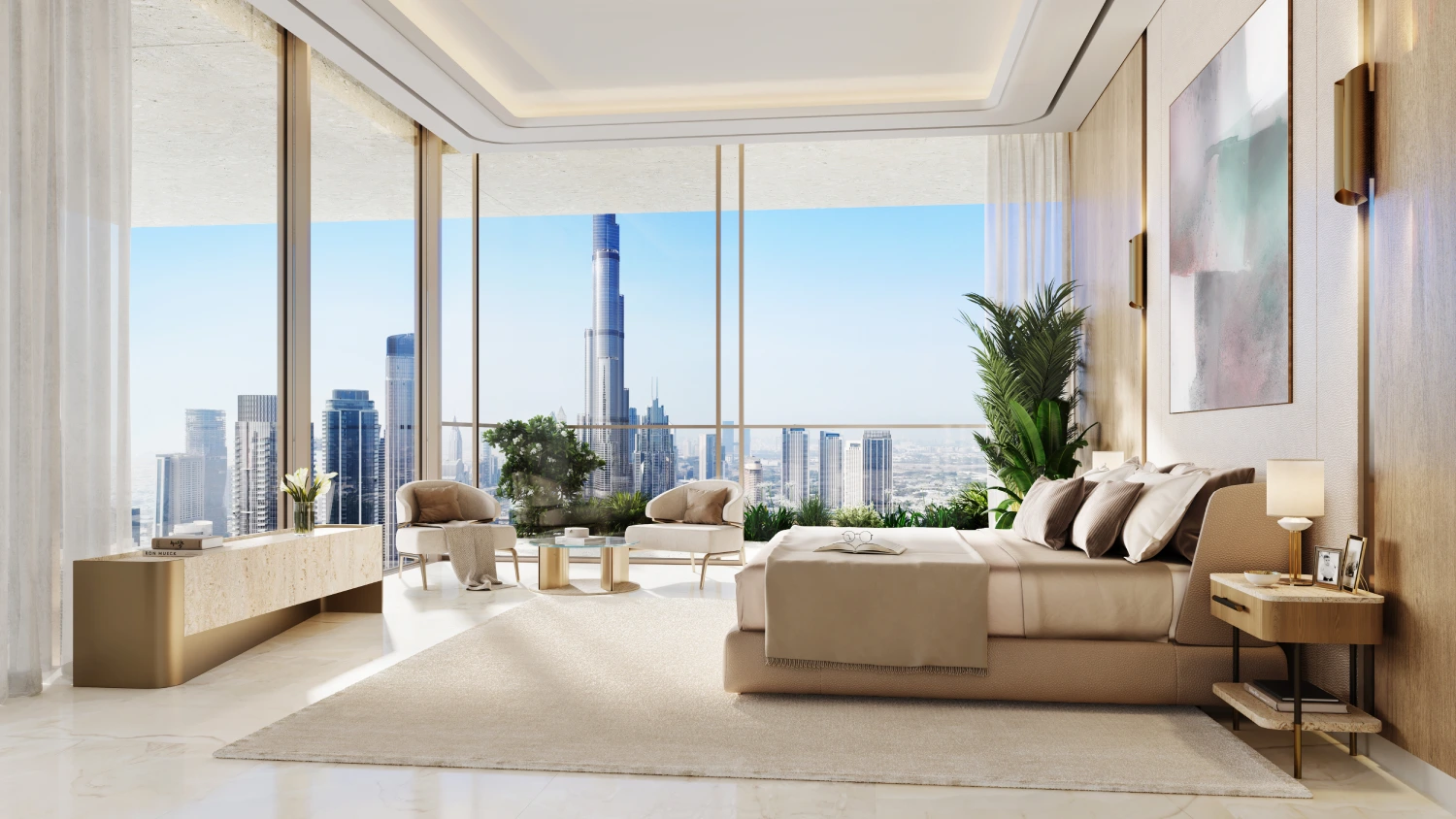

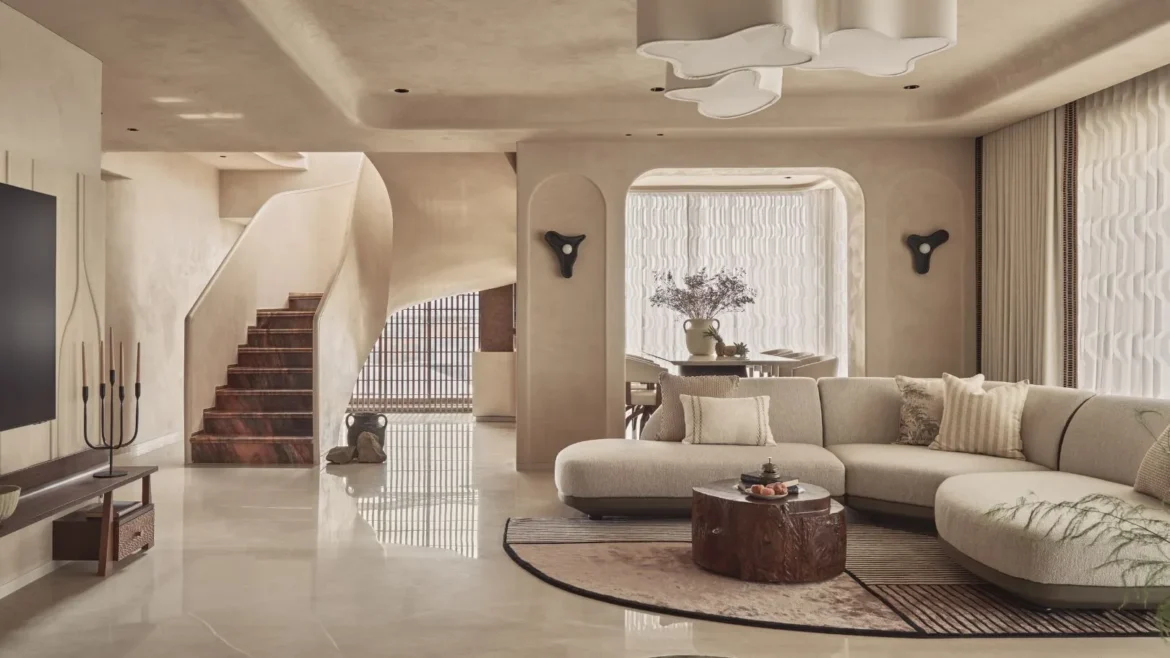
Speed is often treated as proof of efficiency. In high-end interiors, speed can be the first compromise.Luxury spaces do not emerge from rapid decisions or catalogue selections. They evolve through layers of thought, refinement, coordination, and craft. When a client engages a luxury interior designer, the timeline immediately expands beyond simple decoration. The project becomes a structured process rather than a transaction.
The first layer is conceptual depth.True luxury begins with clarity of vision. This does not mean choosing expensive materials. It means defining atmosphere, proportion, and spatial experience. That requires dialogue. Designers study how clients live, entertain, relax, and work. They analyse architecture, natural light patterns, and circulation flow. Rushing this phase often leads to revisions later. Time invested here prevents structural misalignment.
Once the concept is clear, material sourcing begins. High-end interiors rarely rely on mass-produced items. Stone slabs are selected individually for veining. Timber finishes are matched carefully across rooms. Bespoke upholstery fabrics are sampled in natural and artificial light. Lead times increase because materials are chosen with precision, not convenience.
Craft introduces another dimension. Custom joinery, tailored cabinetry, and hand-finished plasterwork require skilled artisans. Skilled labour operates on detailed schedules. A rushed timeline compresses craftsmanship. Quality declines when trades are pressured to accelerate complex work.
Procurement cycles also extend duration. Many premium furniture pieces are made to order. Italian manufacturers, specialist lighting studios, and boutique workshops may require several months for production. These timelines are built into the design process. Attempting to shortcut them often results in substitutions that dilute the intended effect.
Coordination amplifies complexity. Luxury projects involve multiple specialists: architects, structural engineers, lighting consultants, joiners, stone suppliers, and smart-home technicians. Each element must align. Electrical layouts must support lighting design. Structural modifications must accommodate bespoke installations. Adjustments ripple across disciplines. Careful sequencing avoids expensive rework.
Site conditions rarely unfold exactly as planned. Hidden structural issues may appear once walls are opened. Supply chains may shift. Material batches may vary slightly in tone. A luxury interior designer anticipates these realities and builds flexibility into the timeline. Precision cannot coexist with haste.
Detail refinement further extends duration. Hardware placement, seam alignment, grain direction, and finish transitions all require scrutiny. The difference between good and exceptional often lies in millimetres. Those millimetres demand patience.
Lighting design alone can consume weeks of testing. The warmth of bulbs, intensity calibration, and layering strategies must harmonise with material textures. Daylight interacts differently in winter compared to summer. Fine adjustments shape ambience. Rushing this stage compromises atmosphere.
There is also the psychological aspect of luxury. Clients expect not just quality but coherence. Every element must relate to the broader narrative of the space. Cohesion does not happen accidentally. It emerges from repeated evaluation and refinement.
Financial structure reinforces this pacing. Large budgets require staged approvals and supplier confirmations. Contracts, deposits, and inspection milestones regulate progression. Transparent management protects both designer and client, but it extends timelines.
Importantly, longevity defines true luxury. Trend-driven interiors completed quickly may look impressive initially but age poorly. Timeless environments demand disciplined restraint and careful editing. Removing excess often takes longer than adding features.
Time, therefore, becomes an investment rather than a delay. It allows materials to be selected with intention. It protects craftsmanship. It ensures coordination across trades. It supports refinement at every stage.
In a market where immediacy is normalised, patience distinguishes excellence. Luxury interiors are not built on urgency. They are constructed on precision, sequencing, and layered decision-making.
When the final space feels effortless, it is because time has been carefully applied. What appears seamless is usually the result of deliberate pacing. True luxury does not rush. It matures.