
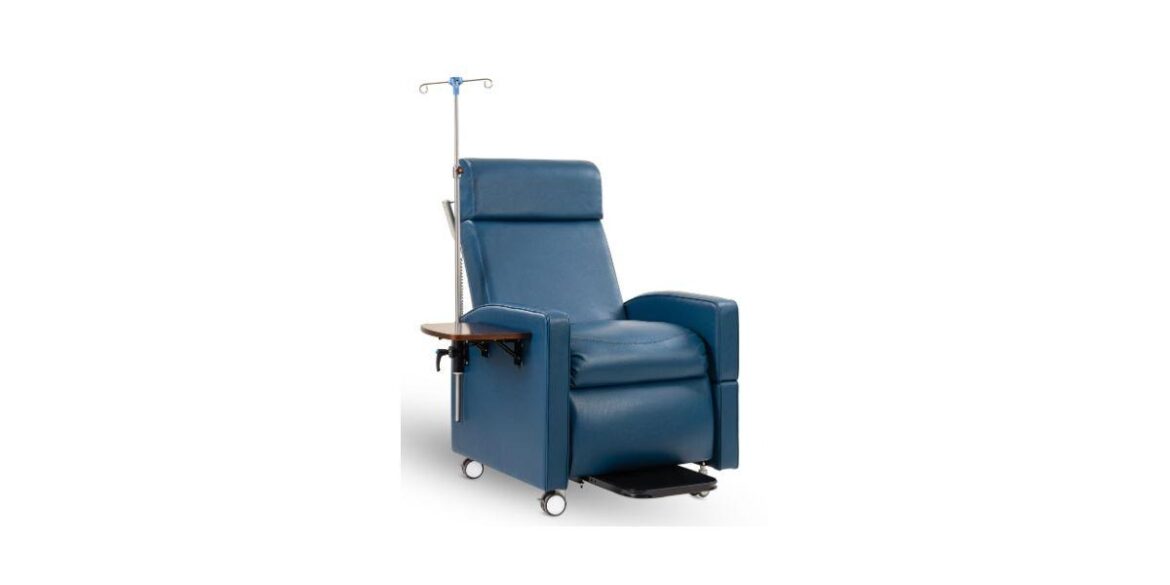
Accurate blood collection depends on more than skilled technique and sterile instruments. The environment, equipment stability, and patient positioning all influence the quality of a sample. A thoughtfully designed reclining phlebotomy chair plays a critical role in supporting both patient comfort and procedural precision within professional phlebotomy rooms. When seating is adjustable, stable, and ergonomically structured, it creates the foundation for reliable and controlled sampling outcomes.
Structured Patient Positioning for Accurate Sampling
Proper positioning is essential in phlebotomy procedures, as even minor shifts can affect vein accessibility and needle stability. Adjustable seating ensures that patients remain securely positioned throughout the sampling process, reducing the likelihood of movement-related errors.
Stable Arm Support for Controlled Venipuncture
- Consistent arm elevation and alignment
Adjustable armrests allow caregivers to position the patient’s arm at the ideal height and angle. This alignment improves vein visibility and ensures smoother needle insertion with minimal adjustment during the procedure. - Reduced involuntary movement during sampling
Secure arm support minimizes sudden movements that can disrupt needle placement. Stability enhances safety and helps maintain sample integrity from start to finish.
Balanced Back and Leg Positioning
- Reclining options for patient comfort
Controlled reclining angles reduce physical tension in the back and shoulders. Relaxed patients are less likely to shift or tense their muscles during venipuncture. - Leg support for improved circulation
Adjustable leg rests promote steady blood flow and reduce discomfort during longer collection sessions. Balanced support contributes to a calm and cooperative patient experience.
Enhanced Comfort to Reduce Donor Anxiety
Emotional comfort significantly influences procedural success. Patients who feel secure and physically supported are more likely to remain calm during blood draws, leading to smoother sampling and improved outcomes.
Reduced Stress Through Ergonomic Design
- Supportive cushioning across pressure points
Properly contoured seating distributes body weight evenly, preventing localized discomfort. Reduced physical strain lowers anxiety levels during collection procedures. - Reassurance through a stable seating structure
A sturdy, well-built seating system fosters confidence in the clinical environment. Patients who feel physically secure are less likely to experience procedural distress.
Improved Experience in High-Volume Settings
- Comfort during repetitive procedures
In busy phlebotomy rooms, patients may spend time waiting or undergoing extended processes. Comfortable seating ensures a positive experience despite operational demands. - Minimized physical fatigue
Proper ergonomic support prevents discomfort that can develop even during short procedures, contributing to a smoother workflow in collection areas.
Adjustable Mechanisms Supporting Clinical Efficiency
Operational efficiency in phlebotomy rooms relies on equipment that adapts quickly to patient needs. An adjustable system improves workflow by reducing repositioning time and enhancing caregiver access. A high-quality Phlebotomy Recliner Chair provides caregivers with flexibility in height, tilt, and arm positioning, supporting precision while minimizing strain.
Streamlined Workflow for Care Providers
- Quick positioning adjustments
Simple adjustment controls enable caregivers to adapt seating angles rapidly between patients. Reduced setup time supports smoother patient transitions. - Improved ergonomic access for practitioners
Adjustable features reduce the need for awkward bending or stretching. Enhanced caregiver posture contributes to long-term occupational comfort.
Reliable Structural Stability
- Secure locking mechanisms
Stable reclining systems prevent unintended movement during procedures. This ensures consistent positioning throughout venipuncture. - Durable frame construction
Reinforced structures support daily use in high-traffic phlebotomy environments, maintaining performance without compromising safety.
Hygiene-Focused Design for Clinical Safety
Maintaining strict hygiene standards is fundamental in phlebotomy rooms. Seating materials must support effective cleaning routines while resisting contamination.
Easy-to-Clean Upholstery Surfaces
- Medical-grade material construction
Non-porous surfaces resist fluid absorption, reducing the risk of contamination. This simplifies sanitation procedures between patients. - Seamless design for infection control
Minimal crevices and smooth contours prevent the accumulation of debris. Enhanced cleanliness supports regulatory compliance.
Long-Term Maintenance Efficiency
- Resistance to wear and disinfectants
High-quality upholstery maintains its integrity despite frequent cleaning. Longevity ensures consistent hygiene performance. - Reduced downtime due to maintenance
Durable materials minimize the need for frequent repairs, supporting uninterrupted clinical operations.
Patient Stability in Emergency Situations
Phlebotomy procedures occasionally involve patients experiencing dizziness or fainting. Adjustable seating supports safe repositioning in such scenarios. The controlled reclining capability of a reclining phlebotomy chair allows caregivers to quickly transition patients into a safer position, reducing the risk of injury.
Rapid Reclining for Patient Safety
- Immediate adjustment capabilities
Quick recline mechanisms allow caregivers to respond promptly to patient discomfort or fainting episodes. - Secure positioning during recovery
Stable seating ensures patients remain supported while regaining composure, enhancing overall safety protocols.
Confidence in Clinical Preparedness
- Support for varied patient conditions
Adjustable seating accommodates individuals with differing physical needs, including elderly or mobility-restricted patients. - Reduced procedural interruptions
Efficient repositioning maintains workflow continuity even during unexpected situations.
Supporting Long-Term Operational Value
Investment in adjustable seating delivers long-term benefits beyond immediate procedural support. Durability, adaptability, and ergonomic design contribute to sustained clinical performance.
Consistent Performance Across High Usage
- Built for repetitive clinical demand
Reinforced mechanisms withstand frequent adjustments, ensuring reliability in busy phlebotomy settings. - Maintained comfort over time
Quality cushioning retains shape and support, providing a consistent patient experience.
Enhanced Professional Environment
- Modern aesthetic appeal
Thoughtfully designed seating contributes to a professional and organized treatment space. - Positive patient perception
Comfortable, advanced seating reflects attention to detail, strengthening trust in the clinical setting.
Conclusion
Adjustable seating is a vital component in phlebotomy rooms, enhancing sampling precision, patient comfort, and clinical efficiency. By providing ergonomic support, stable positioning, and easy adjustability, such seating ensures smoother procedures, reduced patient anxiety, and safer environments for both caregivers and patients. Facilities looking to elevate their clinical standards often rely on advanced solutions like a Phlebotomy Recliner Chair to achieve consistent quality in every procedure. Companies such as Esthetica Medical Furniture stand out in this space, offering premium, thoughtfully engineered seating solutions designed for modern phlebotomy rooms. With durable construction, hygienic materials, and ergonomic design, Esthetica’s products not only improve operational efficiency but also create a more comfortable, professional, and reassuring experience for patients.