
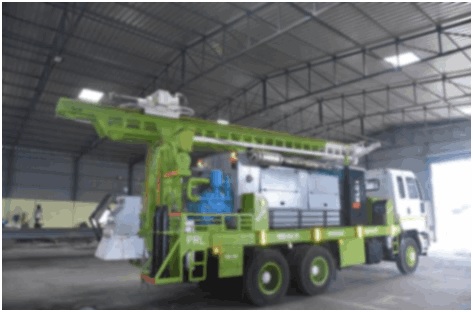
Reliable water access supports agriculture, construction, and industrial activities. In many areas, groundwater offers a practical solution, but reaching it requires careful planning and suitable machinery. Choosing a water drilling machine involves assessing ground conditions, drilling depth, equipment capacity, and the project’s specific requirements.
A machine that performs well in one location may not deliver the same results elsewhere. Evaluating these factors before purchasing helps businesses select equipment suited to their working conditions.
Understanding The Purpose Of Water Drilling
Water drilling creates boreholes that provide access to underground water reserves. These boreholes may supply farms, industrial facilities, construction sites, or residential properties.
Each application has different requirements. Agricultural projects may need water for regular irrigation, while construction sites may require it for concrete preparation and dust control. Identifying the intended use helps determine the necessary borehole depth, diameter, and expected water output.
Assessing Ground Conditions Before Drilling
Soil composition and rock formations influence drilling speed, equipment wear, and tool selection. Loose soil, clay, gravel, and hard rock can require different drilling methods.
Before choosing a water drilling machine, project teams should review geological information and assess the site where possible. Groundwater conditions also matter because drilling deeper does not automatically guarantee an adequate water supply. Local hydrogeological assessments can help determine suitable drilling locations.
Matching Capacity To Project Requirements
Equipment specifications should match the planned drilling depth, borehole diameter, and working conditions. Relevant factors include rated depth, power requirements, mast dimensions, operating weight, and supported drilling methods.
Maximum rated capacity does not always reflect actual field performance. Geological conditions, tooling, operator experience, and maintenance can influence results. Selecting machinery according to realistic requirements helps prevent unnecessary spending or inadequate performance.
Comparing Drilling Methods And Systems
Rotary drilling uses rotating tools to penetrate the ground, while down-the-hole hammer systems can be effective in suitable hard-rock formations. The appropriate method depends on geology, borehole specifications, and site limitations.
When comparing drill machine companies, buyers should examine supported drilling methods and confirm that the equipment suits their intended application.
Supporting systems also deserve attention. Depending on the configuration, compressors, hydraulic components, drill rods, and pumps may affect overall performance. Buyers should check compatibility between these components and the selected drilling tools.
Evaluating Mobility And Operating Costs
Some drilling locations have narrow access roads, uneven terrain, or limited working space. Equipment dimensions, transport requirements, and setup arrangements should be assessed before purchase.
The initial price is only one part of the investment. Fuel, servicing, replacement tools, spare parts, and transportation contribute to long-term ownership costs. Buyers should also review warranty terms, maintenance schedules, and technical support availability.
Planning For Long-Term Water Needs
Water demand may increase as farms expand or industrial operations grow. Equipment should support planned drilling activities without creating unnecessary operating expenses.
Successful groundwater access also requires proper borehole development, water testing, and an appropriate pumping arrangement. These steps help ensure that the completed borehole meets the project’s needs.
Conclusion
Choosing drilling equipment requires a balanced assessment of geology, capacity, drilling methods, accessibility, and long-term costs. Comparing drill machine companies can help buyers evaluate available machinery, specifications, and service support.
For businesses researching drilling machinery, Prime Rigs offers a starting point for exploring available equipment options. Matching machine capabilities with project requirements helps buyers make informed decisions and prepare for reliable drilling operations.