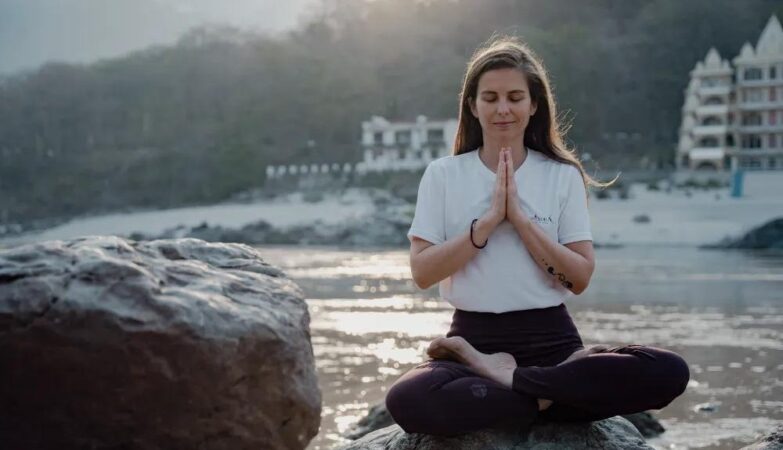

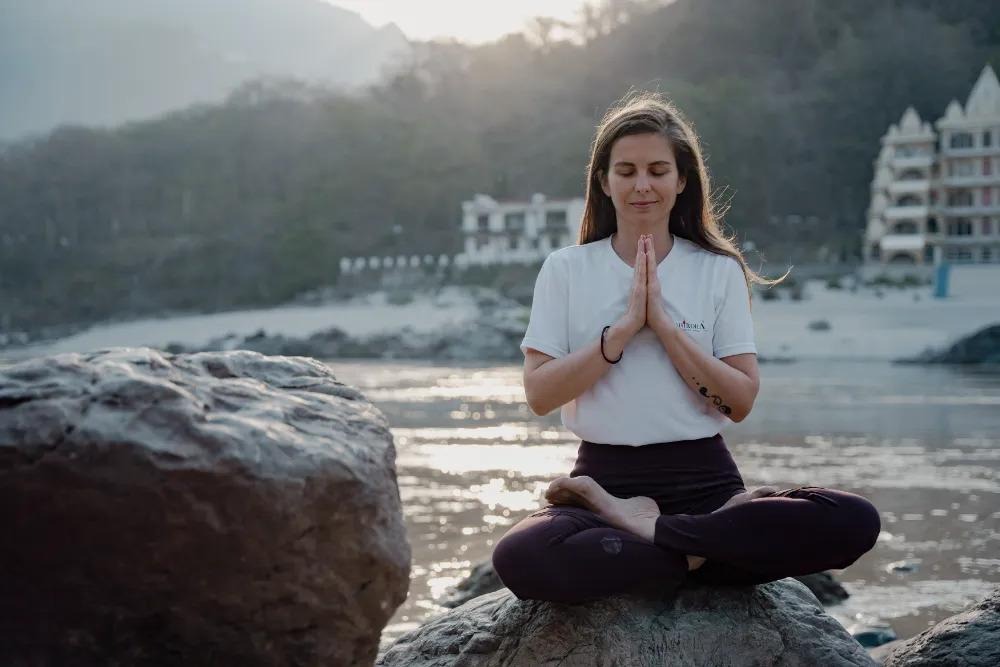
You arrive alone. Your suitcase is lighter than your expectations. You don’t know anyone here. This is the point.
Rishikesh has a way of meeting you exactly where you are. It doesn’t promise transformation. It simply creates space for it to happen. And in that space, three things become unavoidable: silence, the question of who you really are, and the necessity of releasing what you’ve been carrying.
This is the story of what happens when a soul travels alone to a sacred place.
The Journey Begins: Why Rishikesh Called
You didn’t plan this consciously. Something inside you simply knew. Rishikesh wasn’t a destination you researched. It was a calling you couldn’t ignore.
Maybe you read a book. Maybe a friend mentioned it. Maybe you dreamed about it. The method doesn’t matter. What matters is that your soul recognized its own necessity before your mind caught up.
Rishikesh is where people come when they need to remember who they are. The Ganges flows through it. Ancient temples line its banks. Sadhus have meditated here for thousands of years. The air itself seems to know your secret.
You arrive expecting answers. What you find instead are better questions.
Chapter 1: What Silence Actually Means
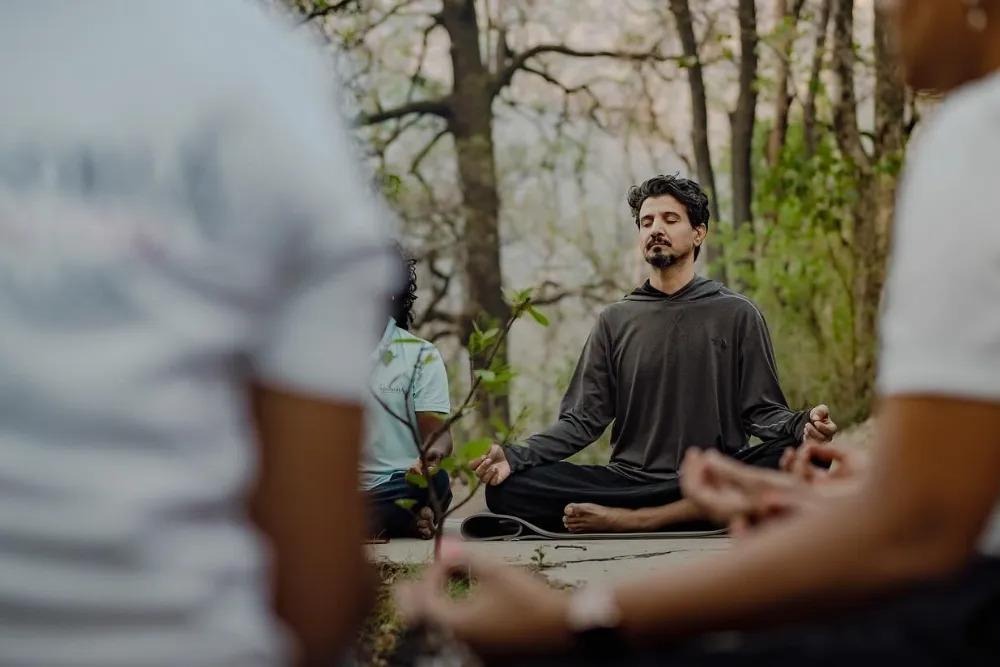
Silence isn’t the absence of sound. You learn this immediately. Birds sing. Water flows. Bells ring from temples. Devotional chants echo across the river at dawn.
Silence is the absence of noise inside your mind. Silence is finally stopping the constant narration. Silence is your nervous system relaxing into the present moment.
When you practice Yoga teacher training in Rishikesh India, silence becomes your first teacher. Before any asana, before any philosophy, there’s the simple instruction: sit with yourself. Notice what arises when you stop running.
What arises is usually painful at first. Loneliness. Regret. Doubt. The things you’ve been outrunning your whole life. But here’s the paradox: in facing them, they lose their power.
After weeks of sitting with silence, something shifts. The noise quiets. The constant internal commentary fades. What remains is presence. Aliveness. A way of being you’d forgotten was possible.
Chapter 2: The Mirror of Identity

When you remove everything external, what’s left? This is the real question Rishikesh asks. No job title. No social media persona. No familiar relationships reflecting back who you should be.
Just you. Alone with yourself.
For the first time in years, you might realize you don’t know who you are without the labels. Without the performance. Without the constant audience.
This is terrifying and liberating simultaneously.
In Rishikesh, you meet yourself as a stranger. Sometimes you don’t like what you find. Selfishness. Insecurity. Patterns you didn’t know you had. But the beauty of this meeting is that you can’t unsee it. And what you see, you can finally choose to change.
The yoga studios become mirrors. When you fall out of a pose, it’s not about your body. It’s about your mind’s relationship to failure. When you cry during savasana, it’s not about physical exhaustion. It’s about emotional release you’ve been postponing.
You begin to see your life’s patterns reflected in your practice. How you push too hard. How you give up too easily. How you compare yourself to others. How you abandon yourself when things get difficult.
And in seeing these patterns, you finally have a choice. You can keep them, or you can practice letting them go.
Chapter 3: The Practice of Letting Go

Letting go sounds simple. It’s the hardest practice there is.
You’re holding something. Maybe it’s resentment toward someone. Maybe it’s an old version of yourself you need to release. Maybe it’s the belief that you’re not enough. You’ve been carrying it so long you thought it was part of you.
You can practice sound healing courses in Rishikesh where specific frequencies help dissolve emotional blockages. You sit in meditation and watch thoughts arise without grabbing them. You breathe through discomfort in yoga poses without fighting it.
Each practice is a small rehearsal in letting go. Each time you release tension from your shoulders, you’re practicing releasing worry. Each time you quiet your mind, you’re practicing releasing the need to control everything.
The Ganges becomes your teacher too. You watch it flow. You realize that rivers don’t hold onto the water from yesterday. It keeps moving. It keeps releasing. It knows that clinging creates stagnation.
Letting go doesn’t mean not caring. It means caring so much that you release things back to the universe rather than squeeze them in your grip until they poison you.
By the end of your journey, you understand this not as concept but as lived experience.
The Unexpected Lessons
But Rishikesh teaches you more than silence, identity, and letting go. It teaches you that transformation isn’t dramatic. It’s quiet.
It happens in small moments. In a conversation with a stranger from another country. In noticing that you laughed today without planning to. In the realization that three weeks ago you couldn’t sit still and now you can sit for an hour without your mind fracturing.
It teaches you that healing isn’t linear. Some days you’re expansive and clear. Some days old pain surfaces and you feel like you’re starting over. Both are part of the journey.
It teaches you that the people you meet in sacred places become your people. Strangers become soul friends. The shared experience of seeking creates bonds that normal life never produces.
Most importantly, it teaches you that you don’t need to change. You need to remember. Remember who you were before the world told you who to be. Remember your capacity for presence. Remember your wholeness.
What Returns Home With You
You leave Rishikesh physically, but something stays behind. Your old self. Your old patterns. Your old way of believing that you need to be somewhere else to be happy.
What returns home with you is subtler. It’s the quietness in your nervous system. It’s the ability to sit with yourself without distraction. It’s the knowing that transformation is always possible because you’ve felt it.
Your friends notice something different. You’re calmer. You listen better. You’re less reactive. You don’t need to prove anything anymore. They might ask what happened. You’ll struggle to explain it because the change is too internal to language.
You’ll want to tell them: I went alone. I sat in silence. I met myself. I let go of what was poisoning me. I remembered who I am. You can’t describe a spiritual experience to someone who hasn’t had one. But you can model it. You can embody it. You can become proof that transformation is real.
The Story You Become
This journey isn’t about finding yourself in Rishikesh. It’s about losing yourself there. Losing the false self. Losing the performance. Losing the narrative you’ve been defending.
And in that loss, something authentic emerges. Not better. Not perfect. But real. Honest. Present.
The greatest gift of solo travel to Rishikesh isn’t the transformation that happens there. It’s the knowledge that you’re capable of transformation. That you’re brave enough to be alone with yourself. That you can sit in silence and survive. That you can let go and still be whole.
You return home with a story that matters. Not because it’s Instagram-worthy. But because it’s yours. Because you lived it. Because it changed you.
That’s the real souvenir from Rishikesh. Not the photos. Not the souvenirs. But the knowledge that you’re capable of becoming yourself. And that’s the greatest story ever told.
FAQs: Reflections on Solo Yoga Travel
Q: Is it safe to travel alone to Rishikesh as a woman?
A: Yes. Rishikesh is one of the safest spiritual destinations in India. Thousands of solo women travelers visit annually. Use common sense precautions like you would anywhere, but safety isn’t the real barrier—it’s the internal courage to be alone with yourself.
Q: How long should a solo spiritual journey be?
A: Most people need 2-3 weeks to genuinely shift. 4-6 weeks creates deeper transformation. A month is the sweet spot where you move past the tourist phase and into actual integration.
Q: Will I feel lonely?
A: Yes. And that’s where the real work happens. Loneliness isn’t pathology—it’s clarity. You’re finally sitting with yourself without distraction. This is sacred.
Q: What if I don’t have a spiritual awakening?
A: You will. But it might not look like you expect. Maybe it’s the first time you laugh without performing. Maybe it’s realizing you can sit alone without anxiety. Maybe it’s understanding why you needed to leave. All of this is spiritual awakening.
Q: How do I integrate these lessons back home?
A: Slowly. Don’t try to be enlightened in your normal life. Just practice one thing: presence. Whatever you’re doing, actually be there. This alone will change everything.