
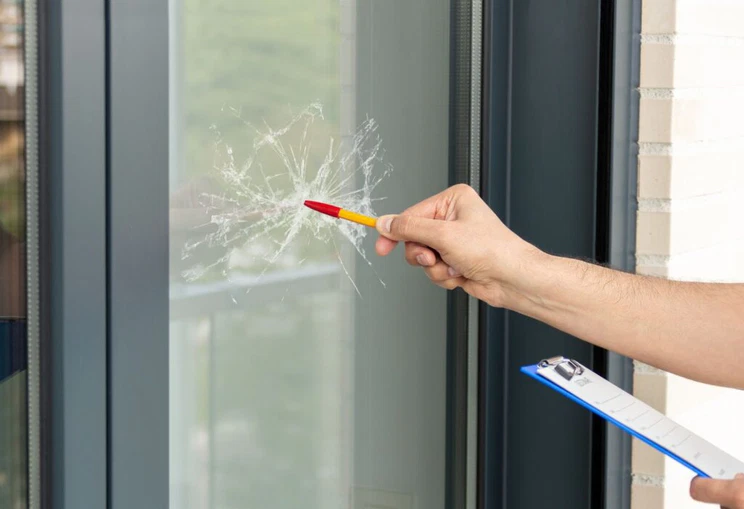
The sight of a fresh chip in a window or a thin, spider-web crack creeping across a glass door is enough to make any homeowner’s heart sink. Glass is one of the most essential yet vulnerable components of our properties, providing light, warmth, and security while remaining susceptible to everything from stray pebbles to extreme temperature fluctuations. When damage occurs, the immediate worry is often financial: is this a minor fix, or am I looking at the substantial cost of a full replacement? Navigating the nuances of glass maintenance requires a keen eye for detail and an understanding of when a surface-level blemish has become a structural liability.
In many instances, the decision between mending and replacing depends entirely on the severity, location, and type of glass involved. Modern glass repair techniques have advanced significantly, allowing specialists to fill minor chips and stop cracks from spreading using high-quality resins that cure under ultraviolet light. This approach is often the preferred first step for minor incidents, as it preserves the original installation and is far more environmentally friendly than sending a whole pane to a landfill. However, the window of opportunity for a successful restoration is often small, both in terms of physical size and the time elapsed since the damage occurred.
Identifying Repairable Damage: The Rule of Thumb
Generally, if a chip is smaller than a two-pound coin or a crack is shorter than six inches, there is a strong possibility that a professional can restore it. These minor imperfections are usually superficial, meaning they haven’t compromised the internal vacuum of a double-glazed unit or the overall rigidity of the pane. A specialist will inject a clear, durable resin into the damaged area, which not only conceals the flaw but also bonds the glass back together to prevent further splintering.
When considering the feasibility of glass repair, one must also look at the “impact zone.” If a crack starts or ends at the very edge of the frame, the structural integrity of the entire pane is likely compromised. In such cases, the stress of the window being opened and closed—or simply the expansion and contraction caused by the British weather—will almost certainly cause the crack to grow. For these edge-bound fractures, most experts will advise that a full replacement is the only safe and long-term solution to ensure your home remains draught-free and secure.
When Replacement Becomes Essential
While we all prefer the more cost-effective route, there are non-negotiable scenarios where a new piece of glass is the only responsible choice. This is particularly true for modern double-glazed windows, also known as Insulated Glass Units (IGUs). These units are comprised of two panes separated by a spacer bar and a hermetically sealed gap filled with an insulating gas like argon.
The Problem of Blown Windows
If you notice “fogging” or condensation trapped between the two layers of glass, your window has “blown.” This means the seal has failed, and the insulating gas has escaped. At this point, no amount of resin or surface-level polishing will fix the issue. The thermal efficiency of the window is gone, and the only way to restore the U-value (the measure of heat loss) is to replace the unit entirely. While you can often keep the original frames, the glass itself must be swapped out to keep your energy bills under control and prevent mould growth.
Safety and Toughened Glass
Toughened safety glass, commonly found in patio doors, low-level windows, and shower screens, presents another challenge. Due to the way it is manufactured—being heated and then rapidly cooled to create internal tension—it is designed to shatter into thousands of small, blunt pieces rather than large, dangerous shards. Because of this high-tension state, toughened glass cannot be repaired. If it sustains a deep scratch or a chip, the internal stresses are likely to cause the entire pane to spontaneously “explode” into fragments at a later date. Consequently, any visible damage to safety glass necessitates an immediate replacement.
The Benefits of Timely Intervention
Acting quickly when you spot a flaw can be the difference between a £60 repair and a £400 replacement. Beyond the obvious cost savings, there are several reasons why proactive maintenance is the hallmark of a savvy property owner:
- Preventing “Stress Cracks”: Small chips are often the starting point for larger cracks. Rapid changes in temperature—such as a cold morning followed by direct sunlight—cause the glass to expand, turning a tiny nick into a full-length fracture.
- Maintaining Home Security: A cracked window is a visual cue to potential intruders that a property might be poorly maintained or have a vulnerable entry point.
- Aesthetic Appeal: For those looking to sell or let their property, pristine glazing is essential for kerb appeal. Professional resin repairs are nearly invisible to the naked eye.
- Structural Longevity: Filling a chip prevents moisture and dirt from entering the fracture, which can eventually weaken the glass through a process known as sub-critical crack growth.
DIY vs Professional Expertise
In the age of internet tutorials, many homeowners are tempted by off-the-shelf “glass mending kits.” While these can be effective for very minor, non-structural scratches on items like coffee tables, they are rarely sufficient for architectural glazing. Professional glaziers use industrial-grade resins that match the refractive index of the glass, ensuring the repair doesn’t leave an unsightly yellow tint over time. Furthermore, experts have the tools to “vacuum out” air bubbles from a crack before filling it, ensuring a perfect bond that a manual DIY kit simply cannot replicate.
Moreover, a professional assessment provides peace of mind. A qualified glazier can tell you if the crack you’ve spotted is a “pressure crack” caused by a poorly fitted frame or a “thermal crack” caused by shadows falling across a large window. Identifying the root cause ensures that the new glass or the repair won’t suffer the same fate six months down the line.
Conclusion: Making the Right Choice for Your Home
To summarise, the question of whether glass can be repaired or must be replaced hinges on the type of glass, the location of the damage, and how quickly you address the problem. Small, central chips and short cracks in standard single or double panes are often excellent candidates for resin-based restoration. However, when faced with blown seals, damaged safety glass, or cracks that reach the frame, replacement is the only viable path to maintaining the safety and energy efficiency of your property.
By staying vigilant and addressing minor flaws early, you can significantly extend the lifespan of your windows and doors. If you have spotted a blemish on your glazing today, don’t wait for the next cold snap to turn it into a crisis. Consult a specialist for a professional assessment and ensure your home remains the warm, secure, and beautiful sanctuary it is meant to be. Use a reputable local glazier to get your windows checked and keep your property in peak condition.