
Cancer diagnosis and treatment have seen remarkable advancements over recent years. Early detection and precise treatment are crucial to improving patient outcomes, reducing complications, and enhancing quality of life. Modern technologies now allow doctors to identify cancer at earlier stages, monitor its progression accurately, and customise treatment plans to each patient’s needs. These innovations allow medical professionals to provide effective care while minimising discomfort and ensuring patient safety throughout their treatment journey.
For those seeking specialised care, a cancer hospital in Mumbai equipped with advanced diagnostic and therapeutic tools provides comprehensive solutions. Such hospitals ensure timely diagnosis, personalised treatment plans, and ongoing monitoring, which are important for effective cancer management. Access to these technologies also helps patients feel more confident about their treatment decisions and reduces the stress associated with complex medical procedures.
Imaging Technologies for Accurate Diagnosis
Accurate imaging is the foundation of effective cancer diagnosis. Modern imaging technologies provide detailed information about the location, size, and nature of tumours, enabling doctors to plan treatments with precision.
Some of the key imaging methods include:
- MRI (Magnetic Resonance Imaging): Offers high-resolution images of soft tissues, helping detect cancers such as brain, breast, and liver tumours.
- CT (Computed Tomography) scans: Produce cross-sectional images to determine the precise size and spread of tumours.
- PET (Positron Emission Tomography) scans: Highlight areas of increased metabolic activity, differentiating malignant tissue from healthy tissue.
- PET-CT fusion: Combines anatomical and metabolic imaging for highly accurate detection and treatment planning.
These imaging technologies, when used together, allow earlier detection, more precise treatment planning, and fewer unnecessary invasive procedures. They are crucial in helping doctors monitor response to therapy and adjust treatment as needed, ensuring the patient receives optimal care.
Molecular and Genetic Testing
Molecular diagnostics and genetic testing have transformed cancer care by enabling personalised treatment. These tests analyse genes, proteins, and biomarkers linked to tumour growth.
For example, testing for mutations in BRCA1 and BRCA2 can reveal susceptibility to breast and ovarian cancer. Other advanced genetic panels guide treatment choices for lung, colorectal, and other cancers by identifying specific molecular targets.
By using molecular diagnostics, doctors can select therapies most likely to be effective while avoiding treatments that may offer limited benefit. This approach not only improves outcomes but also helps minimise unnecessary side effects, making the treatment experience safer and more manageable for patients.
Minimally Invasive Diagnostic Procedures
Minimally invasive procedures have greatly improved the accuracy and safety of cancer diagnosis. They allow doctors to obtain tissue samples while reducing patient discomfort.
Common procedures include:
- Image-Guided Biopsies: Use real-time imaging to accurately target tumours.
- Endoscopies: Allow visual assessment of internal organs with minimal intrusion.
- Laparoscopic Techniques: Involve small incisions, resulting in faster recovery and fewer complications.
These procedures ensure precise diagnosis while preserving healthy tissue. Minimally invasive techniques also allow patients to begin treatment sooner and with less disruption to daily life. Their increasing use has made cancer diagnosis less intimidating and more effective for many patients.
Precision Radiation Therapy
Radiation therapy has advanced with technologies that deliver treatment more precisely, minimising harm to surrounding healthy tissue.
Some of the main techniques include:
- Intensity-Modulated Radiation Therapy (IMRT): Shapes radiation to match the tumour’s form.
- Image-Guided Radiation Therapy (IGRT): Uses imaging during treatment to ensure accurate targeting.
- Stereotactic Radiosurgery: Offers non-surgical treatment for small or difficult-to-reach tumours, especially in the brain and lungs.
These technologies make radiation therapy safer, more effective, and less physically taxing for patients. They also allow doctors to target tumours that were previously difficult to treat, expanding treatment options and improving overall outcomes.
Targeted and Immunotherapy Treatments
Targeted therapies and immunotherapy are transforming cancer treatment by offering more precise and effective options.
Targeted therapies focus on specific molecules involved in cancer growth, while immunotherapy stimulates the patient’s immune system to attack cancer cells. Combined with traditional chemotherapy, these treatments increase effectiveness and reduce overall toxicity.
Advanced diagnostics ensure that each patient receives the therapy best suited to their cancer type, supporting personalised care and better outcomes. This integration of diagnostics and therapy is essential for optimising treatment response while maintaining the patient’s overall health and well-being.
Role of Robotics and Computer-Assisted Surgery
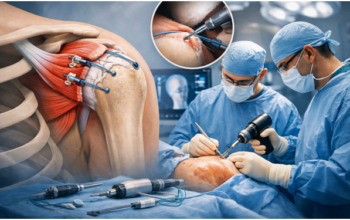
Robotic-assisted surgeries have improved the precision of tumour removal while minimising damage to healthy tissue.
Some key advantages include:
- Enhanced surgical precision through computer-assisted guidance.
- Smaller incisions allow for faster recovery.
- Reduced post-operative complications, improving patient safety.
- Effectiveness for prostate, colorectal, and gynaecological cancers.
Robotic-assisted procedures provide doctors with greater control during complex surgeries and allow patients to experience less pain and a quicker return to normal activities. These technologies are particularly beneficial for high-risk surgeries where precision is critical to successful outcomes.
Conclusion
Advanced technologies in cancer diagnosis and treatment have transformed patient care. High-resolution imaging, molecular testing, minimally invasive procedures, precision radiation, targeted therapies, and robotic-assisted surgery enable early detection, accurate treatment, and better outcomes. Patients at a cancer hospital in Mumbai benefit from personalised, safe, and effective care, supported by modern technologies that improve survival rates, quality of life, and confidence throughout their treatment journey.