
When a child experiences persistent headaches, developmental delays, seizures or unusual neurological symptoms, parents often seek immediate answers, but the path to a correct diagnosis can feel overwhelming. This is where a pediatric neurosurgeon plays a crucial role. These highly trained specialists evaluate, diagnose and treat complex conditions affecting the brain, spine and nervous system in children. Their expertise, combined with the insights of the best pediatric neurologist doctor, ensures a precise and accurate understanding of what a child is experiencing.
Early diagnosis is incredibly important because a child’s brain and spine are still developing. Even small abnormalities can influence growth, learning and long-term health. Pediatric neurological care requires advanced technology, gentle communication, meticulous evaluation and a collaborative approach that brings together multiple experts, including specialists in pediatric oncology when tumors are involved. Understanding how specialists diagnose these conditions helps parents feel confident, informed and empowered.
1. Understanding the Child’s Medical History
A detailed medical history is the starting point for every evaluation. A pediatric neurosurgeon carefully reviews pregnancy history, birth complications, developmental milestones and any previous illnesses or injuries. Many neurological issues have clues hidden in a child’s background. Even small details such as sleep patterns, behavioral changes or learning challenges help narrow down the cause.
The pediatric neurologist often works alongside the neurosurgeon to assess symptom history, frequency of episodes and any family patterns. For conditions like epilepsy, congenital malformations or genetic disorders, this early discussion is essential. It sets the foundation for targeted testing rather than generalized guessing.
2. Conducting a Neurological Examination
After gathering history, specialists perform a structured neurological exam. This includes observing reflexes, balance, muscle tone, vision, speech and coordination. A skilled pediatric neurosurgeon knows how to make a child comfortable during the exam, turning it into an interactive and playful session.
During this stage, subtle signs like delayed motor control, unusual eye movements, asymmetrical muscle strength or abnormal reflex responses can be early indicators of deeper issues. If symptoms suggest tumors or malignancies, coordination with pediatric oncology becomes essential for further diagnostic steps.
3. Using Advanced Brain and Spine Imaging
Imaging is one of the most important diagnostic tools. Modern pediatric centers use safe, child-friendly imaging technologies like:
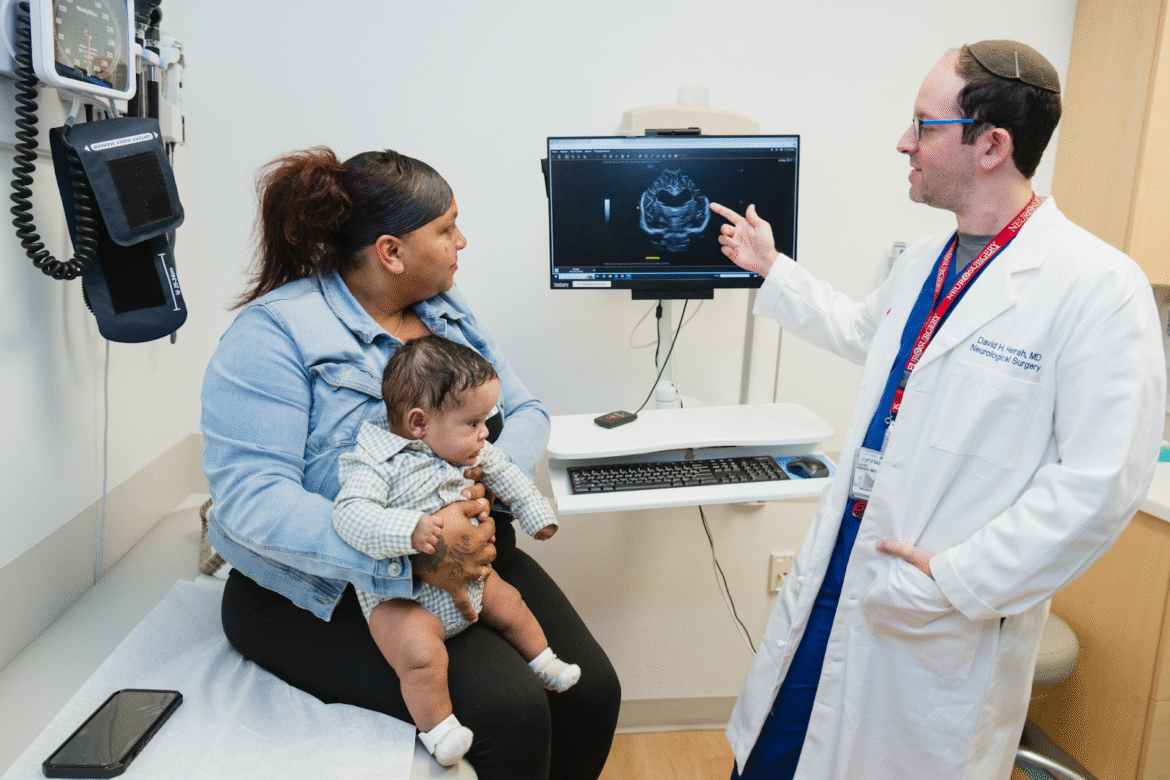
- MRI Scans: Magnetic Resonance Imaging provides detailed images of the brain and spinal structures. It is used to detect tumors, congenital malformations, fluid buildup, infections and nerve compression. A pediatric neurosurgeon relies heavily on MRI to plan precise treatment.
- CT Scans: Computed Tomography is helpful in cases of emergencies, trauma or suspected fractures. Although CT uses radiation, pediatric protocols ensure minimal and safe exposure.
- Ultrasound: Used mainly for newborns whose skull bones have not fully fused, ultrasound allows quick and painless screening to detect fluid abnormalities or bleeding.
When tumors or suspicious masses are detected, imaging studies are shared with pediatric oncology teams so treatment planning can begin immediately. The involvement of the best pediatric neurologist doctor also ensures neurological stability during the diagnostic period.
4. Performing Electrophysiological Tests
Electrical activity in the brain and nerves provides valuable diagnostic insight. Specialists may use:
- EEG (Electroencephalogram): Used to detect seizure disorders, sleep abnormalities and irregular brain wave patterns. The pediatric neurologist evaluates EEG results to determine seizure types and severity.
- EMG and Nerve Conduction Studies: These tests help diagnose nerve damage, muscular disorders and spinal problems. A pediatric neurosurgeon might order these when a child shows signs of muscle weakness, limb pain or mobility issues.
These procedures are completely safe for children and provide detailed data that helps guide further investigation.
5. Genetic and Metabolic Testing
Some neurological disorders are inherited or influenced by metabolic imbalances. If a condition seems genetic, doctors recommend DNA analysis or metabolic tests. The involvement of the best pediatric neurologist doctor ensures families receive proper counseling and guidance.
Genetic insights can reveal risks of conditions like muscular dystrophy, neurodevelopmental disorders and congenital brain abnormalities. Early detection allows specialists to intervene before symptoms worsen.
6. Cerebrospinal Fluid Evaluation
In certain cases, a pediatric specialist may need to examine cerebrospinal fluid through a lumbar puncture. This helps detect:
- Infections
- Inflammatory conditions
- Bleeding
- Metabolic disorders
A pediatric neurosurgeon performs this procedure with extreme care, ensuring minimal discomfort and complete safety. CSF results also help determine when collaboration with pediatric oncology is necessary, especially when abnormal cells are found.
7. Biopsy for Brain or Spine Tumors
When imaging shows a tumor or an abnormal mass, a biopsy may be required. This is a delicate procedure done by a highly skilled pediatric neurosurgeon who carefully extracts a small tissue sample for analysis. Pathology teams and pediatric oncology specialists then work together to identify tumor type and create a treatment plan.
Accurate diagnosis ensures the child receives the most effective therapy, whether it involves surgery, medication, chemotherapy or targeted therapy.
8. Multidisciplinary Collaboration
Diagnosing neurological conditions in children requires a team effort. A strong pediatric center brings together:
- Neurosurgeons
- Neurologists
- Rehabilitation specialists
- Radiologists
- Developmental experts
- Pediatric oncology teams, when needed
This coordinated approach ensures no detail is missed and that every decision prioritizes the child’s safety and long-term development. The close partnership between a pediatric neurosurgeon and the best pediatric neurologist doctor ensures a complete and accurate evaluation.
9. Continuous Monitoring and Follow-Up
Diagnosis does not end with a single test. Children often need repeated imaging, developmental assessments, medication adjustments or growth monitoring. A committed pediatric neurosurgeon stays involved throughout the journey, watching for improvements, new symptoms or changes that influence treatment.
For children with cancer-related conditions managed by pediatric oncology, ongoing evaluations help adjust treatments and monitor recovery.
Conclusion
Identifying brain and spine conditions in children requires detailed evaluation, modern diagnostics and careful collaboration among pediatric neurosurgeons. Each stage of testing adds clarity and supports accurate decision-making. With early detection and structured follow-up, children receive timely care that improves their overall health, development and long-term wellbeing.
Accurate diagnosis of brain and spine issues in children requires expertise, precision and compassion. Ankura offers advanced neurological evaluations led by skilled pediatric specialists. With modern imaging, dedicated neurosurgeons, expert neurologists and integrated oncology support, Ankura provides complete care for every child. Parents can trust Ankura for safe diagnosis, personalized treatment and round-the-clock support focused entirely on a child’s wellbeing.